School of Psychology
Chair
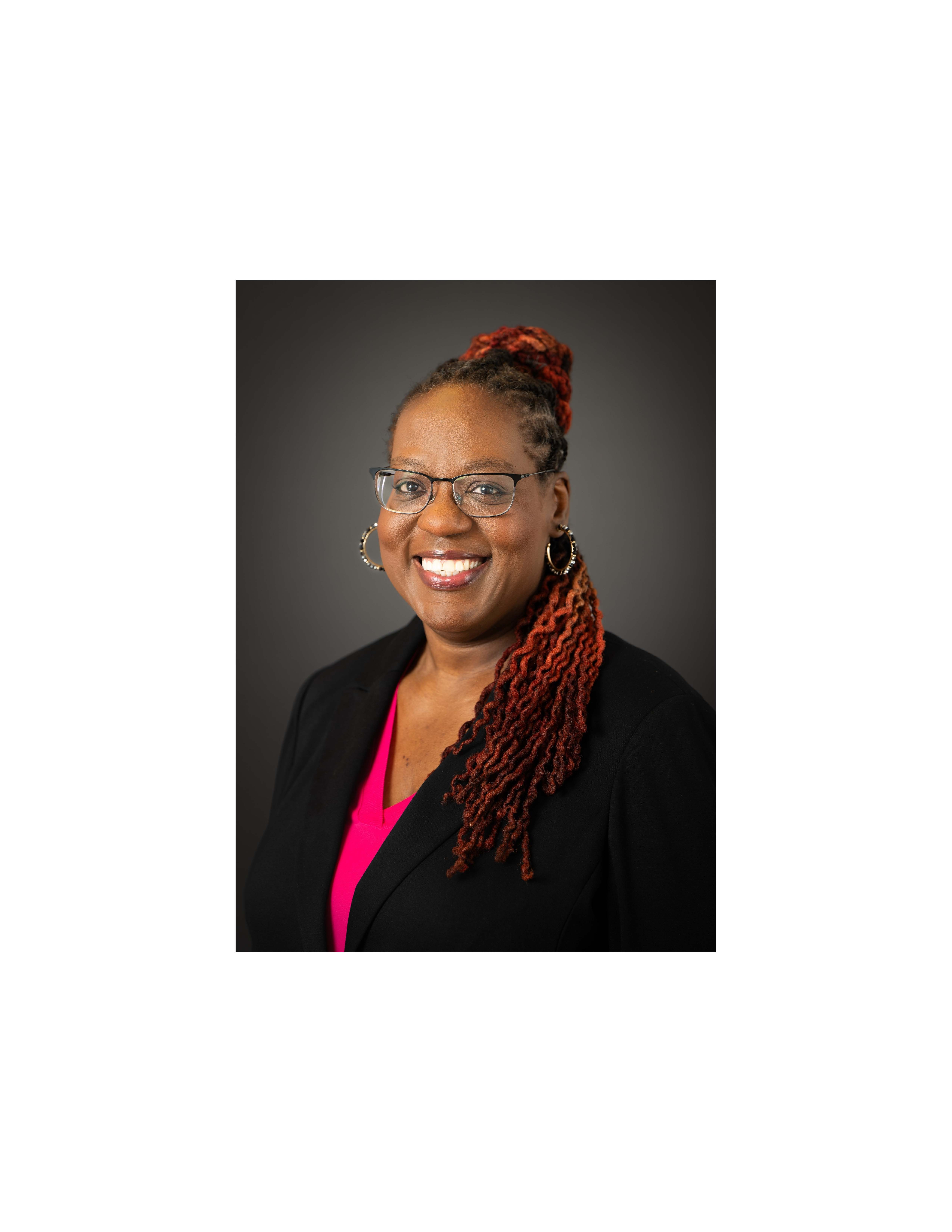
Shambra Mulder, PhD
Associate Professor of Psychology
Phone: (502) 597-5574
Email: shambra.mulder@kysu.edu
J.S. Hathaway Hall
Suite 231A
Frankfort, KY 40601
Psychology is the scientific study of a vast array of phenomena related to the actions and experiences of organisms. Psychologists study phenomena such as perception, memory, thought, behavior, and the psychological, social, physiological, and developmental processes that underlie these phenomena.
In addition to its commitment to scientific truth, psychology requires the application of knowledge and critical thinking/reasoning skills to assess, prevent, and resolve individual and social problems.
The study of psychology serves as a useful foundation for the pursuit of careers in business, law, medicine, social work, and other helping professions; or majors may pursue further study in psychology at the graduate level. The School of Psychology features five academic options:
- The 120-hour Bachelor of Science (B.S.) in Psychology program, focusing on a psychological science core with content in clinical/counseling, developmental, social, physiological/neurological, and other fields in psychology.
- The 45-hour Master of Arts (M.A.) in Psychology - Forensic Science Concentration, focusing on the scientific study of the broadly defined intersection between law and the social and behavioral sciences (e.g., forensic psychology, psychology and law).
- The 60-hour Master of Arts (M.A.) in Psychology - Forensic Counseling Concentration, focuses on the scientific study and skills needed to acquire a licensure to practice clinical psychological clinical services in a variety of settings.
- The 18-hour minor in Psychology.
- The 18-hour minor in Sociology.
- The 12-hour undergraduate certificate in Social Issues and Human Relations.
Psychology is defined as the study of the mind and human behavior. Psychologists engage with human behavior on a broad spectrum, ranging from biological responses to stimuli in the environment to global interactions. Psychology encompasses every academic discipline; all things are inherently psychological because humans interact with and create the environments, materials, cultures, societies, institutions, laws, and the very knowledge by which we understand and operate within our world. Within this spectrum opportunities for rewarding careers abound.
The U.S. Department of Labor projects significant job growth in psychology. According to the Bureau of Labor Statistics, greater demand for psychological services in schools, hospitals, mental health centers, and social services agencies should drive employment growth. The U.S. Department of Labor reports that the demand for clinical and counseling psychologists will continue to grow as people seek counseling in the areas of marriage and family problems, job stress, addiction, trauma, rehabilitation, and other areas. A greater number of counselors and clinicians will be needed for the treatment of mental disorders and other areas in the health care industry, for interdisciplinary work on teams including doctors, social workers, and other health care professionals. Psychologists will be needed to provide services to an aging population, helping people deal with the mental and physical changes that happen as they grow older. Through both research and practice, psychologists are helping other special groups, such as veterans suffering from war trauma, other trauma survivors, and individuals with autism. Graduates with a 120-hour BS in Psychology from Kentucky State University can utilize their knowledge, skills, and abilities in diverse settings such as:
- Academic advisor
- Caseworker
- Childcare worker
- College admissions counselor
- College admissions officer
- College recruiter
- Correctional treatment specialist
- Criminal investigator
- Human resources manager
- Human resources specialist
- Market researcher
- Mental health coordinator
- Police officer
- Probation officer
- Psychiatric aide
- Public relations specialist
- Research assistant
- Social services specialist
- Statistician
More resources are available at:
- https://www.verywellmind.com/a-list-of-psychology-careers-2794917
- https://www.verywellmind.com/what-can-you-do-with-a-bachelors-degree-in-psychology-2794943
Upon graduation, our students help shape the world as researchers, clinicians, and specialists in other areas including law and government, mental health, and teaching.
Through student effort and dedication and faculty mentoring, the B.S. degree in Psychology provides opportunities for professional development and growth, a good foundation for future graduate study, and a sound foundation for many career options.
The mission of the 45-hour M.A. in Psychology: Forensic Science Concentration (Non-Licensure Track) is to support Kentucky State University’s mission by preparing its diverse student population of traditional and non-traditional students to meet society’s growing need for psychological services in a variety of settings. Students in this program will engage in a program of study based on rigorous coursework, research, and service activities founded on the scientist-practitioner model of education. This program prepares students to pursue doctoral study in psychology, or to work in industry, government, mental health services, or other human service agencies, consistent with the Kentucky State University motto: Come In to Learn—Go Out to Serve.
Psychologists are increasingly called upon to perform various evaluations and functions for the government, the courts, the criminal justice system, and the prison system.
The MA in Psyhology: Forensic Science program takes a multidisciplinary approach to the area of behavioral and social science and law by providing students with background in theoretical perspectives from psychology, sociology, and criminology, basic and applied research methods, and statistical techniques. Students develop competencies relevant to the science and practice of these various fields, and to the study of the intersection of behavioral and social science and law, forensics, intelligence, and security broadly defined. This program is relevant to students with backgrounds in psychology, sociology, criminal justice, social work, history, or public administration.
The 60-hour M.A. in Psychology: Forensic Counseling (Licensture Track) degree program prepares graduates for employment in individual and family services, residential and outpatient mental health and substance abuse facilities, state, local, and private hospitals, government agencies, and will also prepare graduates to provide forensic psychological services if desired.
The program is aligned with the Standards of Accreditation for Health Service Psychology: Master’s Program of the American Psychological Association (APA)
Program Specifics:
- Includes 600 Practicum experience in counseling and assessment
- Graduates are eligible for Licensed Psychological Associate (LPA) status in the state of Kentucky after 45-credit hours per the Kentucky Board of Examiners of Psychology (KBEP)
- Graduates will be eligible for Licensed Psychological Practitioner (LPP) per the Kentucky Board of Examiners of Psychology (KBEP) after 2 years of supervision
**Students interested in practicing outside of Kentucky are recommended to check into each state’s licensure board requirements early and often during the program.
A minor in Psychology requires the completion of 18 semester credit hours. Specific course requirements include BSS 300, PSY 215, PSY 223, PSY 304, and either PSY 400 or 401. The remaining 3 semester credit hours must be selected in consultation with the student’s minor advisor from 300/400 level PSY or BSS courses. Students must complete PSY 200 as part of the Liberal Studies Requirement.
An 18-hour sociology minor complements majors in fields like psychology, political science, education, and business, enhancing students' analytical abilities and preparing them for diverse careers that require a deep understanding of social dynamics and human relationships. A minor in sociology offers students a foundational understanding of societal structures, interactions, and institutions. This program focuses on providing students with a foundation in statistics, research methods, and key topics such as social behavior, race, class, gender, deviance, and contemporary social problems. Through this curriculum, students develop critical thinking skills and gain insights into the complexities of social behavior and organization.
The Certificate in Social Issues and Human Relations provides students with an in-depth understanding of the complex social factors that shape human interactions in diverse communities and workplaces. This certificate equips students with the knowledge and skills to engage thoughtfully with varying perspectives, address social challenges, and contribute to positive community and organizational environments.