Terrace agriculture, diversity, and soil health at high elevation
Contributed by Dr. Maheteme Gebremedhin, chair, School of Agriculture and Natural
Resources, Kentucky State University
The first lesson the Andes teaches is simple: pace your breath. At high elevation,
every step feels earned, and every farming decision carries weight. As a soil scientist,
I came to Peru expecting remarkable landscapes. I did not expect those landscapes
to reframe, so quickly and so clearly, what “soil health” and “resilience” look like
when they are inseparable from daily survival.
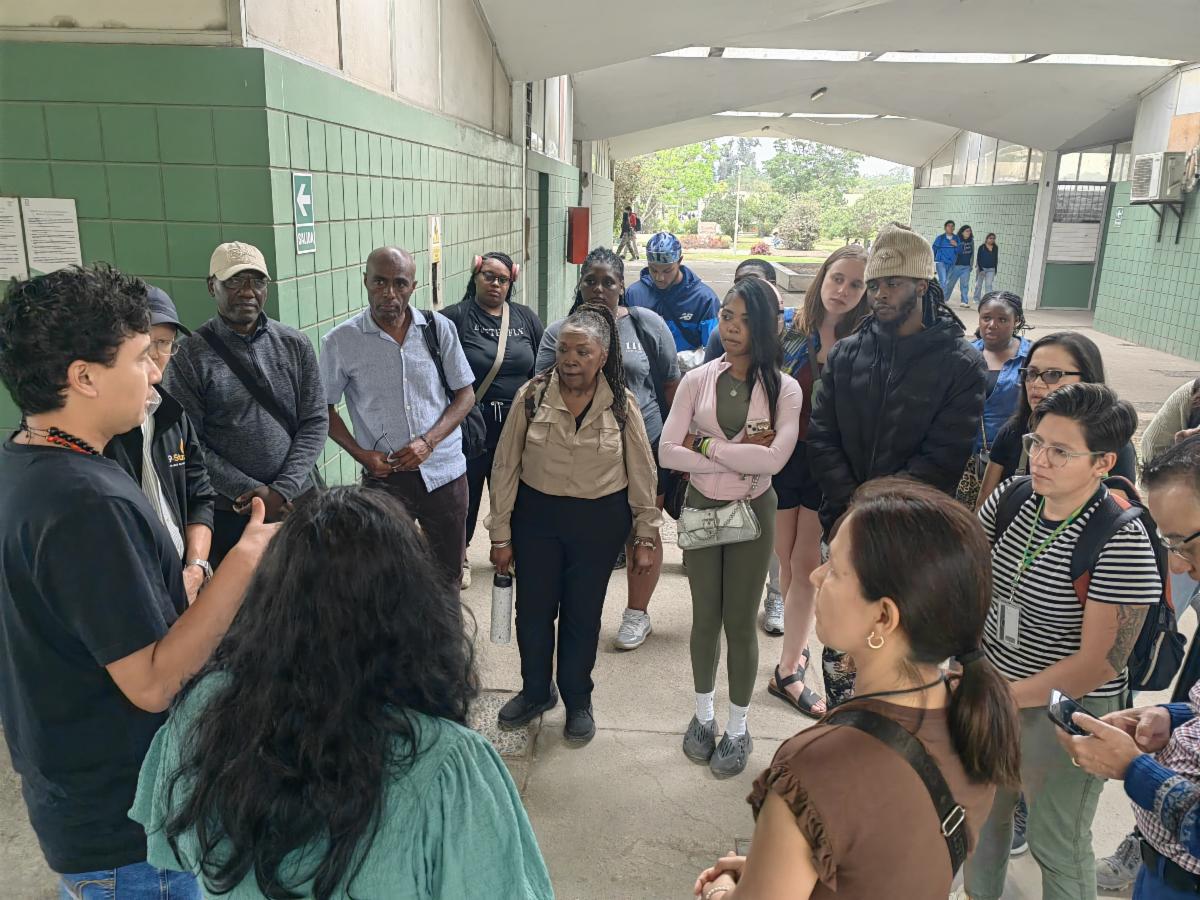
 In December 2025, I joined Kentucky State University students and colleagues for an
international experiential learning visit supported by USDA NextGen. We moved across
Andean highlands and coastal agricultural zones where topography, wind, and water
scarcity shape the logic of farming. The itinerary included field-based learning,
academic exchanges, and community engagement, but the most enduring value for me came
from a more basic encounter: standing on mountainsides engineered for agriculture
and realizing the land itself is a living textbook.
In December 2025, I joined Kentucky State University students and colleagues for an
international experiential learning visit supported by USDA NextGen. We moved across
Andean highlands and coastal agricultural zones where topography, wind, and water
scarcity shape the logic of farming. The itinerary included field-based learning,
academic exchanges, and community engagement, but the most enduring value for me came
from a more basic encounter: standing on mountainsides engineered for agriculture
and realizing the land itself is a living textbook.
In my courses, we teach soil as a system shaped by time, organisms, climate, parent
material, and topography. In Peru, that framework felt less like theory and more like
a way to read the landscape in real time. Terraced hillsides, stone walls, and carefully
guided water channels were everywhere, clear evidence of deliberate design meant to
hold soil in place, slow runoff, and protect thin, precious ground from being carried
away. The terraces were more than impressive engineering. They functioned as living
systems, with microclimates built with stone, crop diversity arranged with purpose,
and water managed with an efficiency that comes from long experience under constraint.
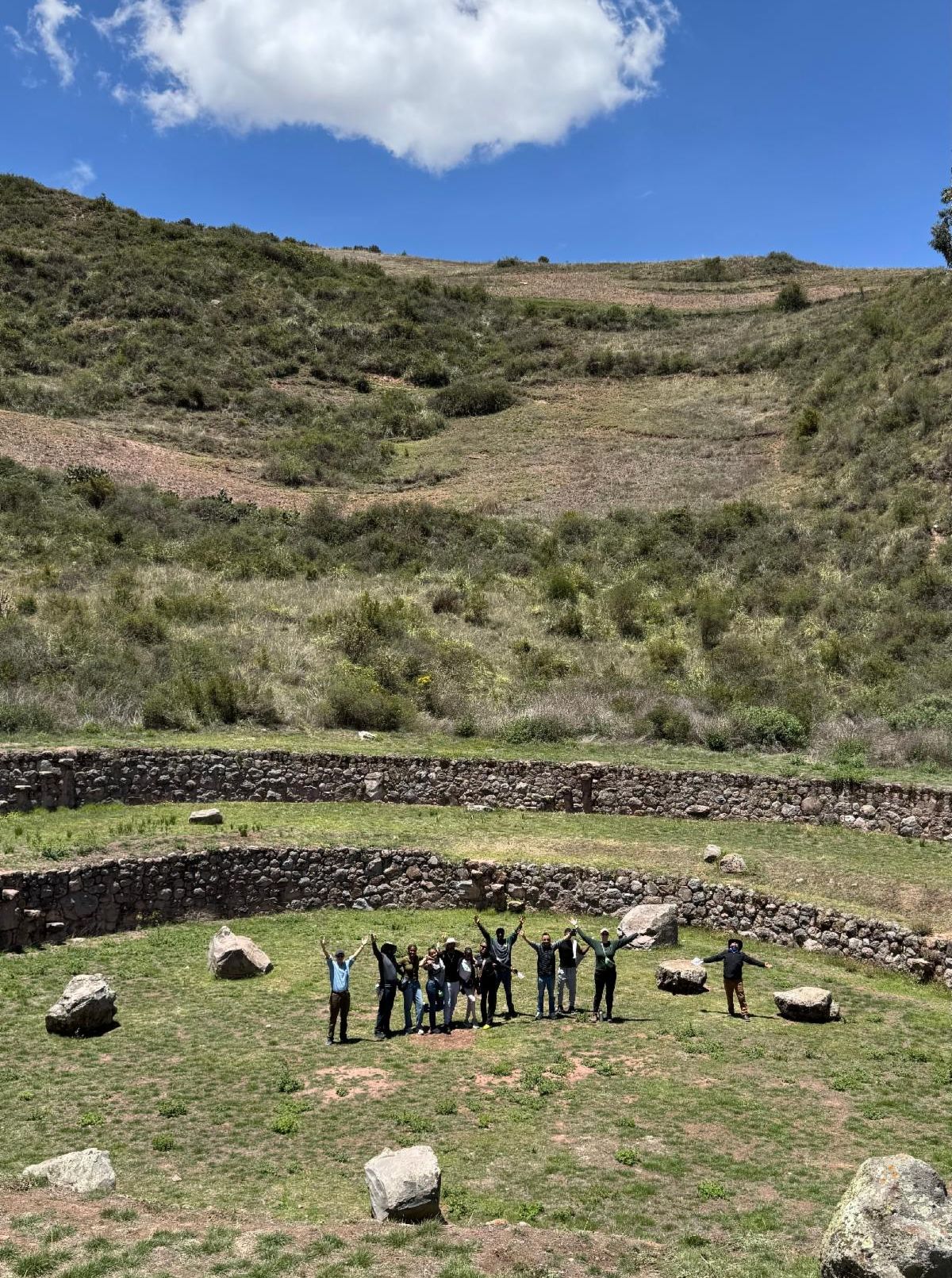
One cold morning in the Cusco region, our group stood above a patchwork of terraced
fields carved into steep mountainsides. From a distance, the terraces looked like
architecture. Up close, they read like conservation practice: erosion reduced by design,
moisture held long enough for crops to establish, and soils protected season after
season. The climb itself became part of the lesson. Thin air, shifting wind, and exposed
slopes made it clear that “high elevation” is not a detail; it is a force that shapes
people, plants, and microbial life.
That same day, I watched classroom learning click into place. A student who had taken
AFE 334 Soil Science crouched near a terrace edge, worked soil through their fingers,
traced where water would move in a heavy rain, and compared sections protected by
vegetation with areas more exposed to rill formation. The observations were practical
and immediate, with structure, texture, color, drainage, and erosion risk assessed
without a lab instrument in sight. The larger point was even clearer: sustainable
land management is not a diagram on paper. In the Andes, resilience is practiced because
there is no alternative.
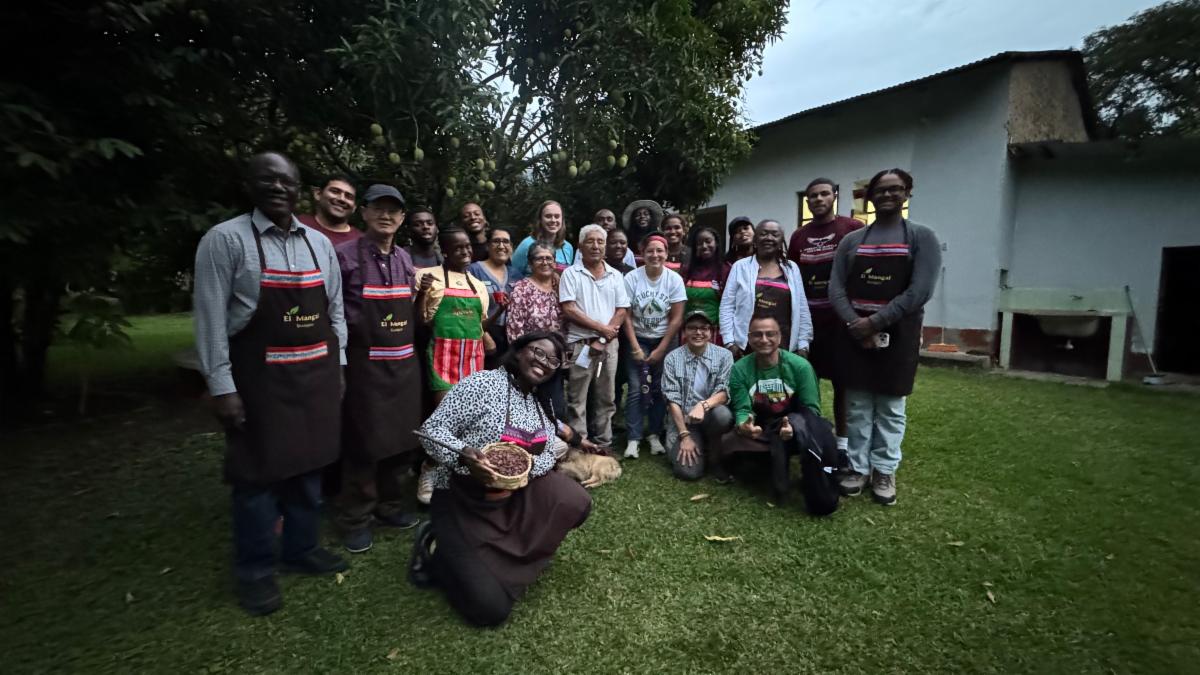
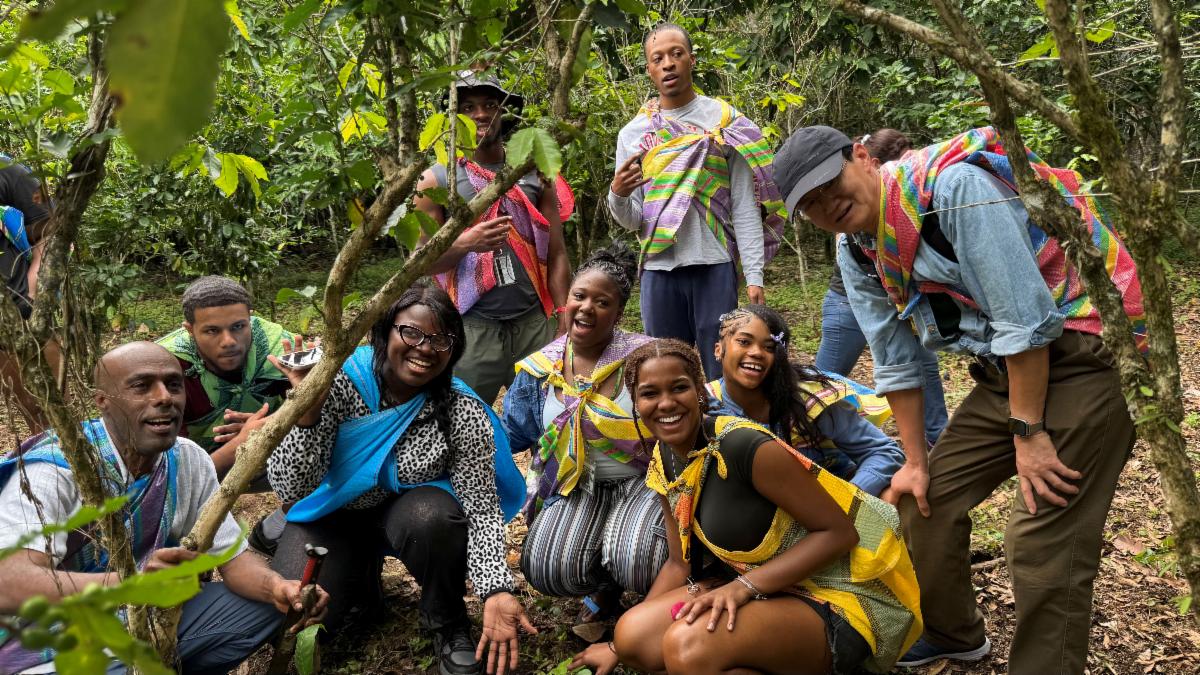
 As we moved between smallholder and Indigenous farming communities, the experience
became a sustained encounter with farmer-led innovation and traditional ecological
knowledge. Diversified cropping came into focus not only as a market strategy, but
as a biological buffer against climate variability. Agrobiodiversity was not an abstract
concept. It was an adaptive framework: multiple crops, multiple planting windows,
and multiple pathways for stability when weather becomes unpredictable.
As we moved between smallholder and Indigenous farming communities, the experience
became a sustained encounter with farmer-led innovation and traditional ecological
knowledge. Diversified cropping came into focus not only as a market strategy, but
as a biological buffer against climate variability. Agrobiodiversity was not an abstract
concept. It was an adaptive framework: multiple crops, multiple planting windows,
and multiple pathways for stability when weather becomes unpredictable.
A moment I will carry for a long time happened beside a field boundary, where stone
placement, contour alignment, and crop choice showed their cumulative impact. A student
asked, “How do they decide what to plant where?” The farmer’s response was grounded
and direct: plant where the soil and water will support it, and diversify to avoid
total loss. That exchange captured what we hoped the experience would accomplish by
connecting soil–landscape interactions to real-world resilience, and by reinforcing
that science advances fastest when it respects local context.
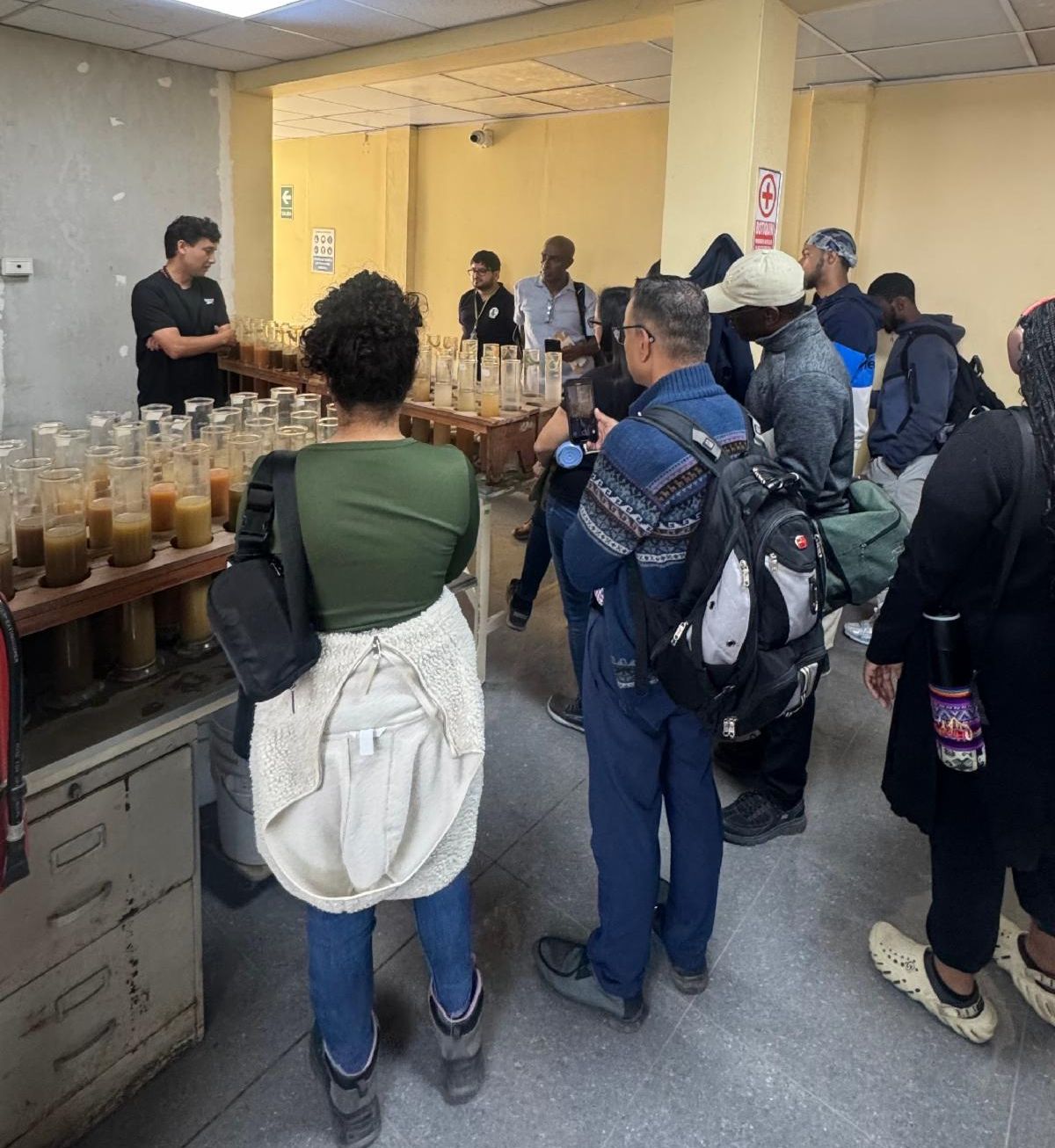
The lessons also shifted with the landscape. After focusing on erosion and terrace
stability in the mountains, our attention turned to water-use efficiency, nutrient
management under limited inputs, and risks like salinity and compaction where irrigation
becomes a lifeline. Watching Kentucky State students translate concepts across environments
was one of the most rewarding parts of the visit. Curiosity became applied problem-solving
that was careful, grounded, and increasingly precise.
The trip underscored something that matters deeply in land-grant work: communities
sustain agriculture not only through technique, but through values. We learned how
gratitude to Mother Earth is woven into daily practice, and how land is approached
as sacred rather than treated only as a production unit. For our group, that meant
practicing respect by listening carefully, learning deliberately, and recognizing
that cultural understanding is not separate from agricultural understanding.
 For the and for Kentucky State, experiences like Peru sharpen what it means to be
a globally engaged land-grant institutiSchool of Agriculture and Natural Resourceson. Global engagement is not travel for its own sake. It is knowledge exchange that
involves learning from communities that have sustained productive agriculture under
high risk and bringing those lessons back to Kentucky in ways that advance equity,
resilience, and applied science.
For the and for Kentucky State, experiences like Peru sharpen what it means to be
a globally engaged land-grant institutiSchool of Agriculture and Natural Resourceson. Global engagement is not travel for its own sake. It is knowledge exchange that
involves learning from communities that have sustained productive agriculture under
high risk and bringing those lessons back to Kentucky in ways that advance equity,
resilience, and applied science.
As I reflect on the visit, I see a bridge into the work ahead. In 2026, I want to
help expand high-impact experiential learning, whether international, on-farm, or
community-based, so that more courses routinely connect classroom theory to field
realities. Peru also reinforced the promise of comparative agroecosystem research,
including opportunities to build international pipelines around soil health indicators,
biodiversity-based farming, and climate adaptation. Extension remains central, too.
The most compelling lessons were embedded in communities, and they point toward decision
tools, accessible workshops, and demonstration learning that respects farmers’ time,
budgets, and priorities.
Peru gave our students a deeper understanding of how land, water, and people shape
agriculture. It gave our faculty new research pathways. It also gave me renewed clarity:
durable progress comes from combining scientific rigor with field experience, cultural
competence, and genuine partnership.
Acknowledgements
I am grateful for the support that made this experience possible through USDA Award
No. 2023-70440-40145. I also thank the local hosts and organizers who welcomed our
group and helped ensure a meaningful visit, and I appreciate the leadership and collaboration
of Dr. Buddhi Gyawali, professor of geospatial applications, human dimensions and
climate studies, and Dr. Paloma Pinillos, international and community partnerships
administrator in the Office of Global Strategies and International Affairs, throughout
the program.