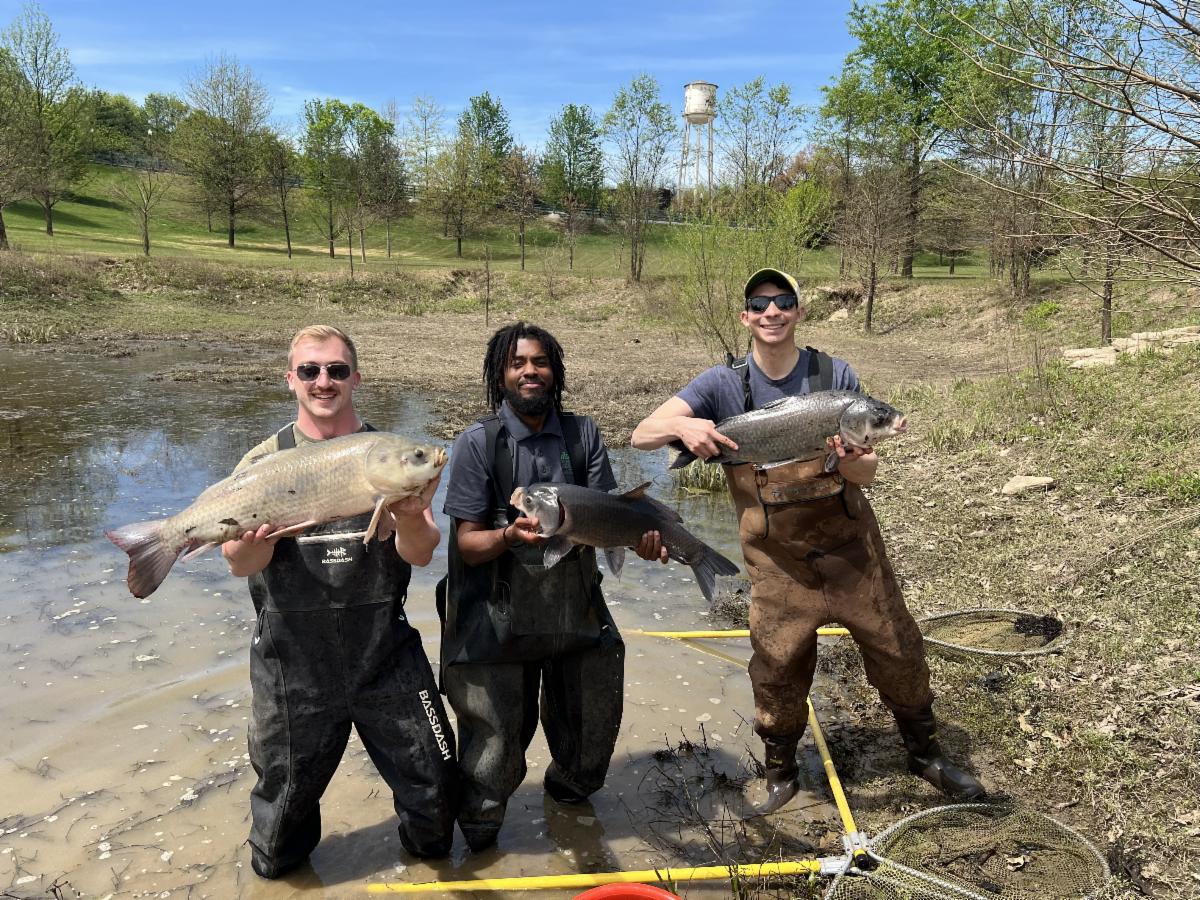
Unique Program will Advance Food Security and Clean Water for Kentucky and Beyond
FRANKFORT, Ky. — Students seeking to tackle two of the most urgent challenges of our
time—food security and clean water — will now be able to do so at Kentucky State University
through a new Bachelor of Science degree program in Aquatic Science focused on aquatic
systems and sustainable resource management. Approved Jan. 30, 2026, by the Kentucky
Council on Postsecondary Education (CPE), the new degree will become one of the few
undergraduate programs of its kind in the nation and the first in the Commonwealth
of Kentucky.
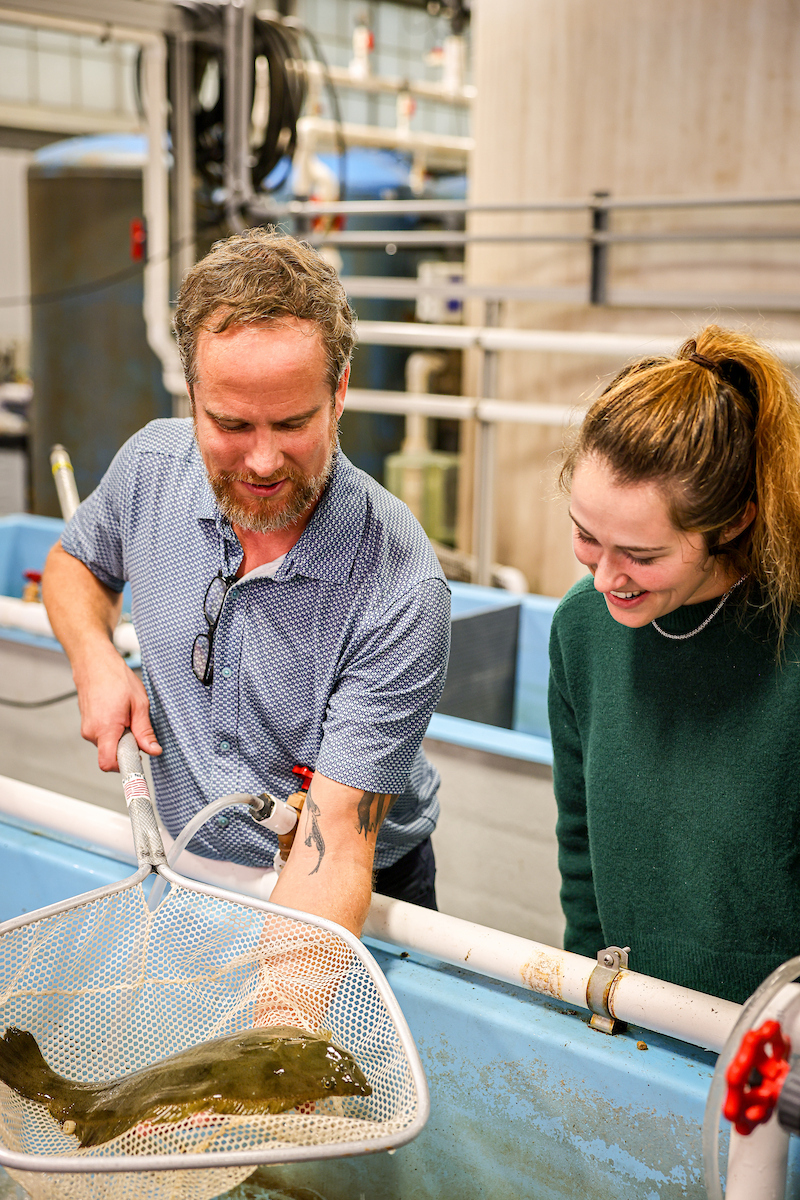 The degree will be offered through Kentucky State’s School of Aquaculture and Aquatic
Science, the University’s only Program of Distinction as designated by CPE. Designed
as an innovative, research-based program grounded in hands-on learning, the curriculum
will prepare graduates for careers that connect water, food systems, and environmental
stewardship.
The degree will be offered through Kentucky State’s School of Aquaculture and Aquatic
Science, the University’s only Program of Distinction as designated by CPE. Designed
as an innovative, research-based program grounded in hands-on learning, the curriculum
will prepare graduates for careers that connect water, food systems, and environmental
stewardship.
Workforce preparation will be a key focus as the sector continues to grow and evolve,
with internship opportunities directly connecting students to potential employers.
The USDA projects 57,900 annual job openings for graduates with bachelor’s degrees
in food, agriculture, and the environment, and the Bureau of Labor Statistics projects
10,700 jobs per year in water treatment alone. Career paths connected to aquatic science
include aquaculturist, hatchery manager, hydrologist, watershed scientist, fisheries
biologist, and water treatment expert.
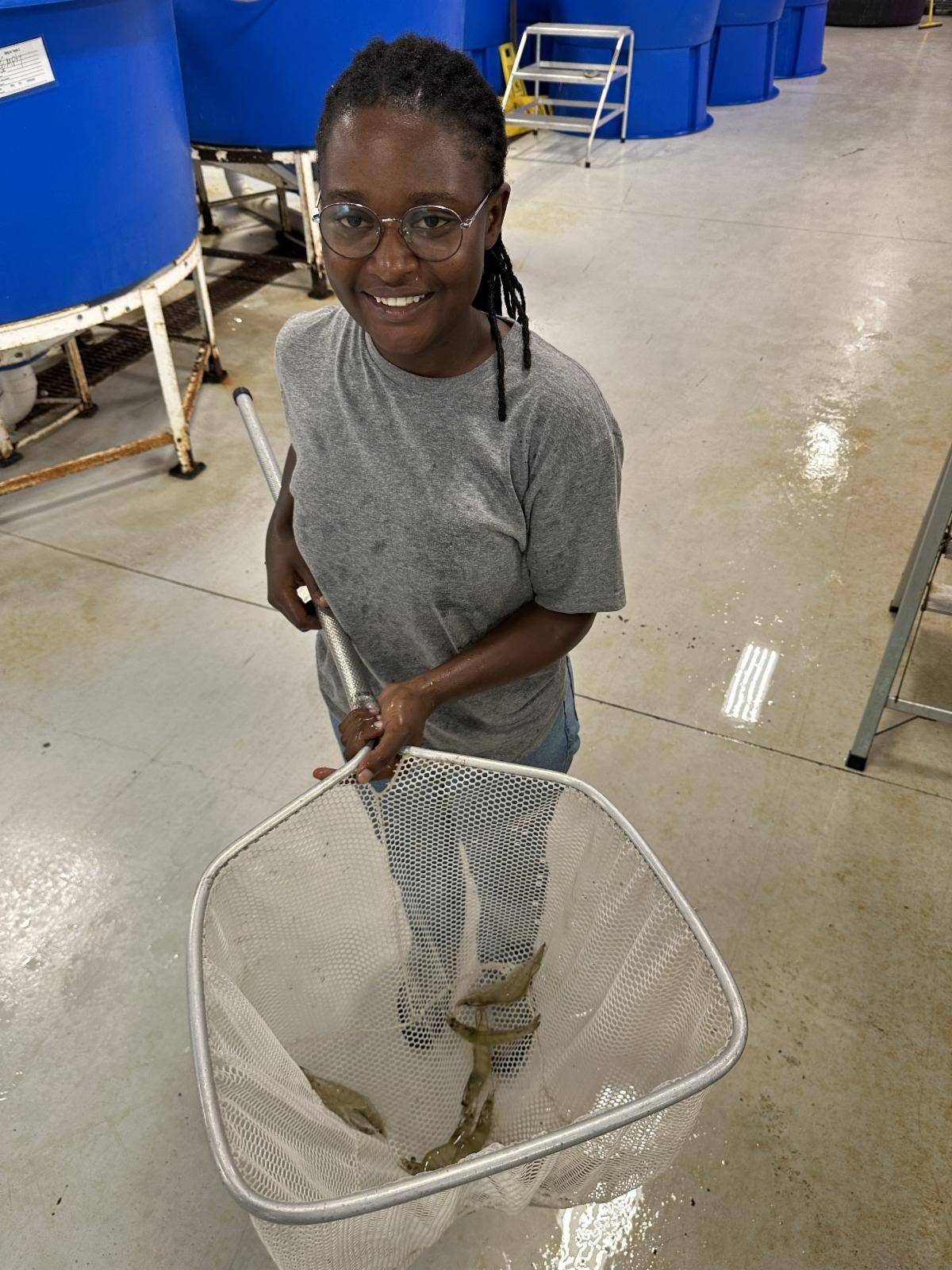
Coursework for the innovative new undergraduate degree program will explore the science
of life in water from the molecular to the ecosystem level through studies in aquatic
ecology, limnology, water chemistry, aquaculture systems, marine biology, and fisheries
science. Experiential learning will be central to the curriculum, including access
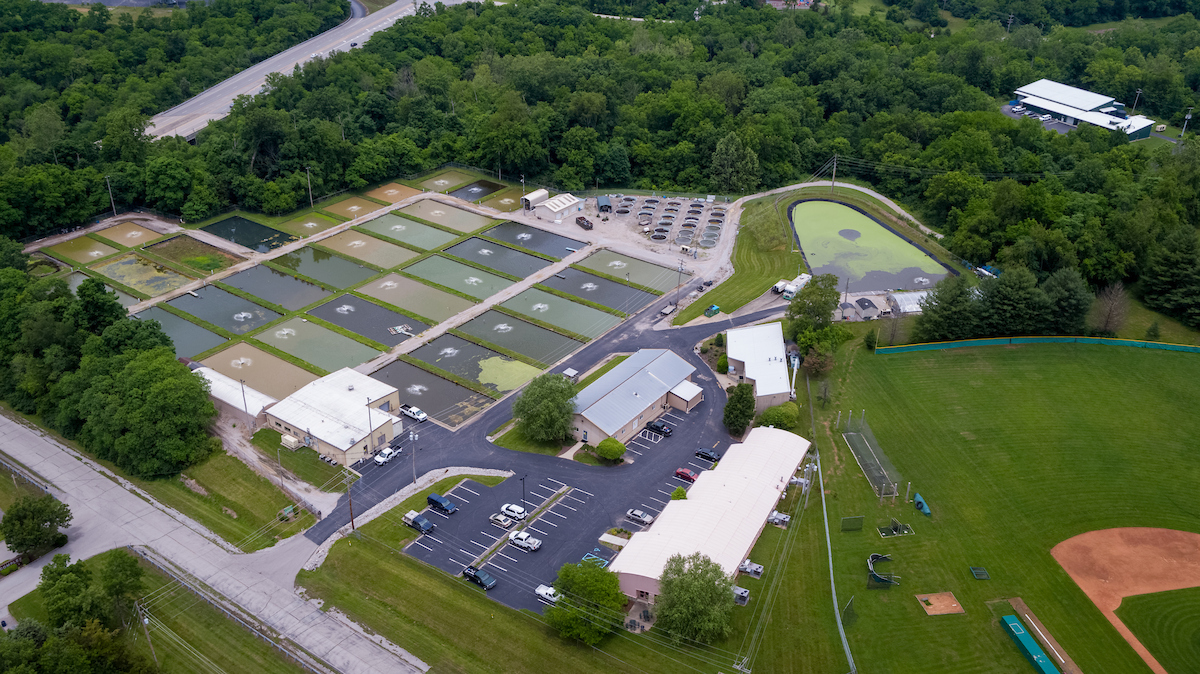
to Kentucky’s only dedicated aquatic research complex, the Aquatic Research Center
(ARC).
The ARC includes 33 research ponds, a 3,000-square-foot hatchery, a 3,500-square-foot
nutrition laboratory, and a 14,000-square-foot production technologies building, along
with specialized facilities supporting year-round environmental research and student
learning.
 “Kentucky State University has been a national leader in aquaculture research and
education for more than 40 years,” said Dr. Andrew Ray, chair of the School of Aquaculture
and Aquatic Science. “This new undergraduate program gives students the scientific
foundation and practical skills to manage aquatic resources sustainably — whether
that means raising fish for food, managing natural water bodies, or ensuring clean
water for communities. It’s an essential step toward addressing the global challenges
that connect water, food, and human health.”
“Kentucky State University has been a national leader in aquaculture research and
education for more than 40 years,” said Dr. Andrew Ray, chair of the School of Aquaculture
and Aquatic Science. “This new undergraduate program gives students the scientific
foundation and practical skills to manage aquatic resources sustainably — whether
that means raising fish for food, managing natural water bodies, or ensuring clean
water for communities. It’s an essential step toward addressing the global challenges
that connect water, food, and human health.”
The new degree program will complement Kentucky State’s existing academic offerings,
including the Master of Science in Aquaculture and Aquatic Science, the undergraduate
and graduate certificate in Aquaculture and Aquatic Science, and a minor in Aquaculture
— creating a clear pathway from undergraduate education to advanced research and professional
practice. Related efforts are also underway, with legislative encouragement to create
a Ph.D. program in Aquaculture and Aquatic Science.
“This program embodies the land-grant mission at its best,” said Dr. Marcus Bernard,
dean of the College of Agriculture, Health, and Natural Resources and director of
the Land Grant Program. “Kentucky State is connecting world-class research to the
real-world needs of communities — helping secure safe, sustainable food systems and
clean water for future generations. With this degree, we are opening the door for
more students to take part in that work during their academic journey.”
CPE also approved a Bachelor of Arts in Public Policy and a Master of Public Health
in Nutrition at Kentucky State University. The nutrition program will also require
review and approval by the Southern Association of Colleges and Schools Commission
on Colleges (SACSCOC) before launch.
To learn more about the School of Aquaculture and Aquatic Science at Kentucky State
University, visit here: https://www.kysu.edu/aqua.
To learn more about Kentucky State’s Aquatic Research Center, visit here: https://www.kysu.edu/academics/college-ahnr/school-of-anr/facilities/aquatic-facilities.php.