Kentucky State pairs scientific expertise with practical instruction to help producers
make better breeding decisions
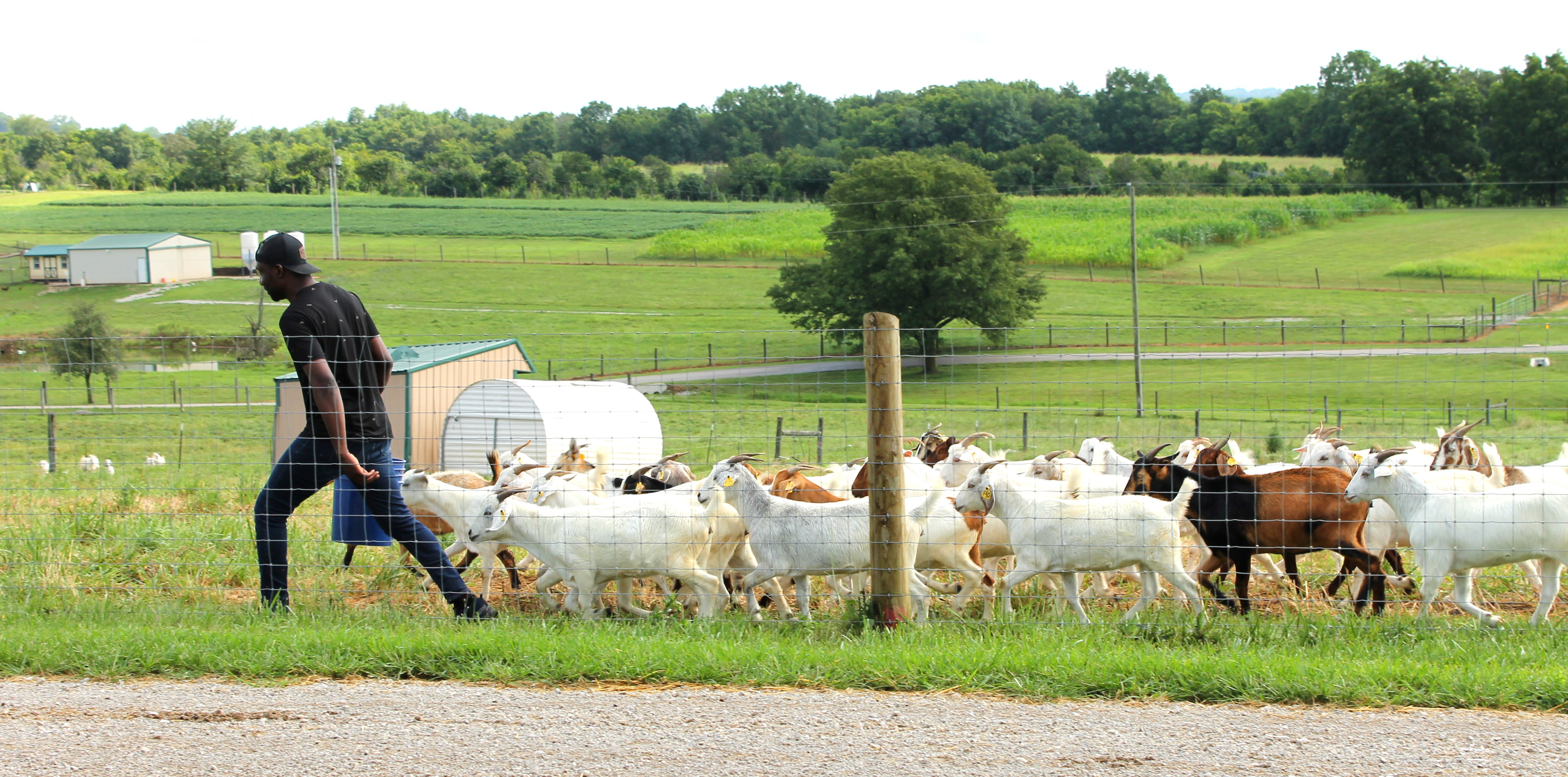
FRANKFORT, Ky. — Inside a working barn at Kentucky State University’s Harold R. Benson
Research and Demonstration Farm, sheep and goat producers are learning skills once
more commonly left to veterinarians and reproductive specialists.
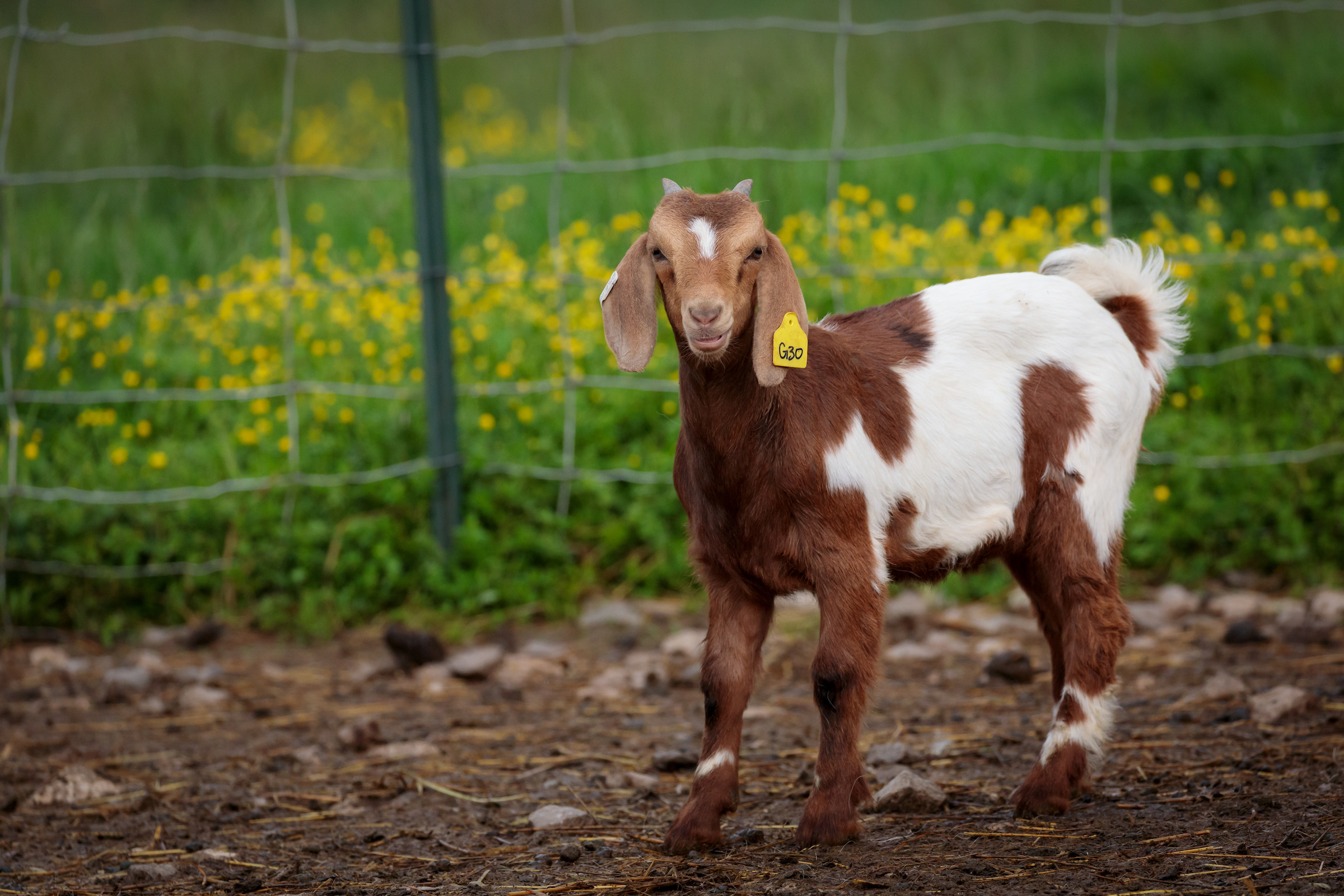
They study reproductive anatomy, learn to use artificial insemination equipment, and practice techniques with goats from Kentucky State’s herd. Just as importantly, they learn why each breeding decision matters long before an animal enters the chute.
For Dr. Sarah Carr, assistant professor of animal science, the goal is to place both the science and the skills directly into producers’ hands.

“You cannot have production without reproduction,” Dr. Carr said. “Successfully managing breeding is a critical part of any operation.”
That principle has shaped a growing Kentucky State outreach effort that helps sheep and goat producers evaluate breeding animals, improve herd and flock genetics, and make informed management decisions. The work ranges from hands-on clinics and farm demonstrations to webinars and digital resources producers can consult from anywhere in the Commonwealth.
Its most intensive component is the Small Ruminant Artificial Insemination Clinic, launched at Benson Farm in December 2025.
During the inaugural clinic, participants moved between classroom instruction and direct practice. They examined the anatomy and physiology behind reproduction, explored estrous synchronization protocols, learned proper semen-handling procedures, and worked with artificial insemination tools before putting those lessons into practice.
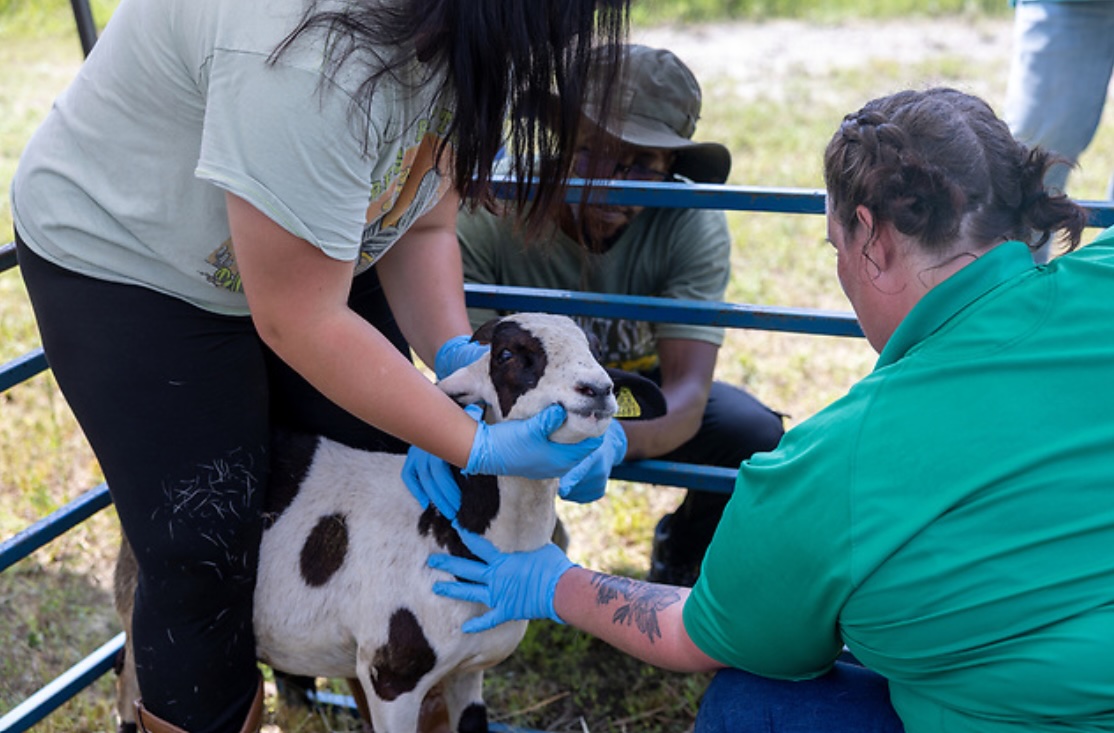
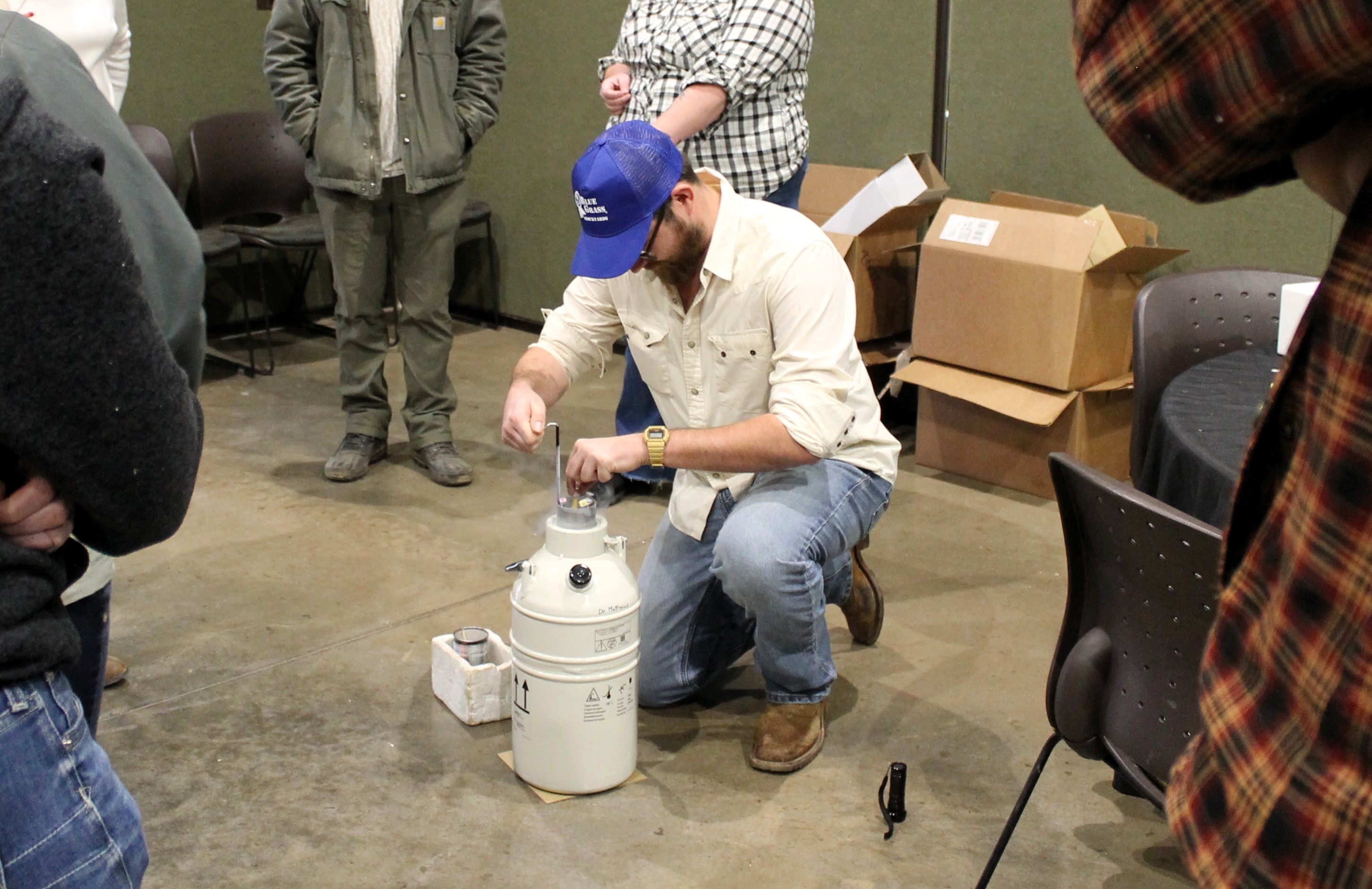
The training gave participants more than exposure to a specialized technique. It showed how animal health, timing, genetics, and day-to-day management must work together for a breeding program to succeed.
“Every decision can have significant consequences if careful consideration is not given to the health, management, selected traits, and genetics of every animal being bred,” Dr. Carr said. “We want to provide producers both knowledge and practical skills to manage their flock or herd the best way possible.”
Artificial insemination can give producers access to desirable genetics without requiring them to maintain multiple breeding males or transport animals over long distances. Used as part of a carefully managed breeding program, it can help farmers pursue specific traits, improve herd and flock performance, and work toward greater long-term profitability.
Kentucky State’s instruction does not begin or end with the clinic. Through an ongoing partnership with the Kentucky Sheep and Goat Development Office, Dr. Carr has taken livestock reproduction education into farm settings and producer gatherings across the state.
At the joint 2025 annual meeting of the Kentucky Sheep and Goat Development Office and the Southeast Kentucky Sheep Producers Association, she demonstrated how to perform a breeding soundness examination. Such examinations can help producers assess a male animal’s reproductive potential before breeding season, when discovering a problem early can prevent lost time and production.
Dr. Carr also worked with beginning producers through the 2025 and 2026 Farm Launch programs, combining classroom instruction with on-farm training. For those building new operations, understanding how to select breeding animals and establish sound management practices can influence the direction of a herd or flock for years.
Online resources extend that guidance to an even broader audience. Articles written by Dr. Carr for Hoof Print: The Small Ruminant Blog address the qualities producers should consider when selecting rams and ewes, along with the potential benefits and drawbacks of crossbreeding.
Complementary webinars have explored the selection of breeding females and the nuances of artificial insemination in small ruminants. Together, those resources allow producers to begin with foundational information and progress toward more advanced, hands-on instruction.
Kentucky State plans to hold its next Small Ruminant Artificial Insemination Clinic in October 2026. Additional details will be announced through the Kentucky State University Cooperative Extension Facebook page.
For more information, contact Dr. Carr at 502-597-6679 or sarah.carr@kysu.edu.