At the 2026 Kentucky Dairy Conference, students and faculty from the College of Agriculture,
Health, and Natural Resources connected classroom learning with the innovations, challenges,
and opportunities driving dairy across the Commonwealth
Frankfort, Ky. – From changing economics to new on-farm technology, Kentucky State
University students got a close-up look at the forces at work across Kentucky’s dairy
industry.
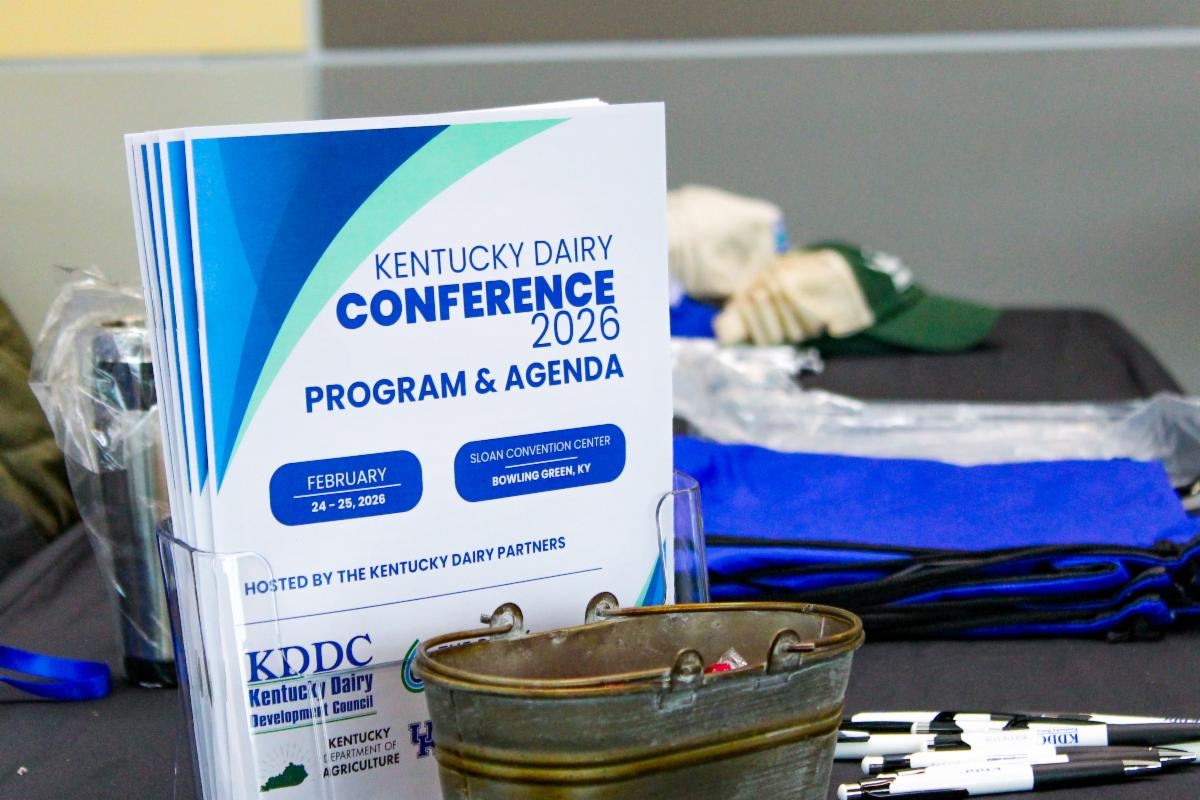
 The 2026 Kentucky Dairy Conference, held Feb. 24-25 in Bowling Green, brought together
producers, researchers, agencies, and industry partners for conversations grounded
in modern dairy production. For Kentucky State’s delegation, the value went well beyond
attendance. It was a chance to hear directly from the people doing the work, see how
the field is evolving, and better understand where research, workforce preparation,
and agricultural innovation intersect.
The 2026 Kentucky Dairy Conference, held Feb. 24-25 in Bowling Green, brought together
producers, researchers, agencies, and industry partners for conversations grounded
in modern dairy production. For Kentucky State’s delegation, the value went well beyond
attendance. It was a chance to hear directly from the people doing the work, see how
the field is evolving, and better understand where research, workforce preparation,
and agricultural innovation intersect.
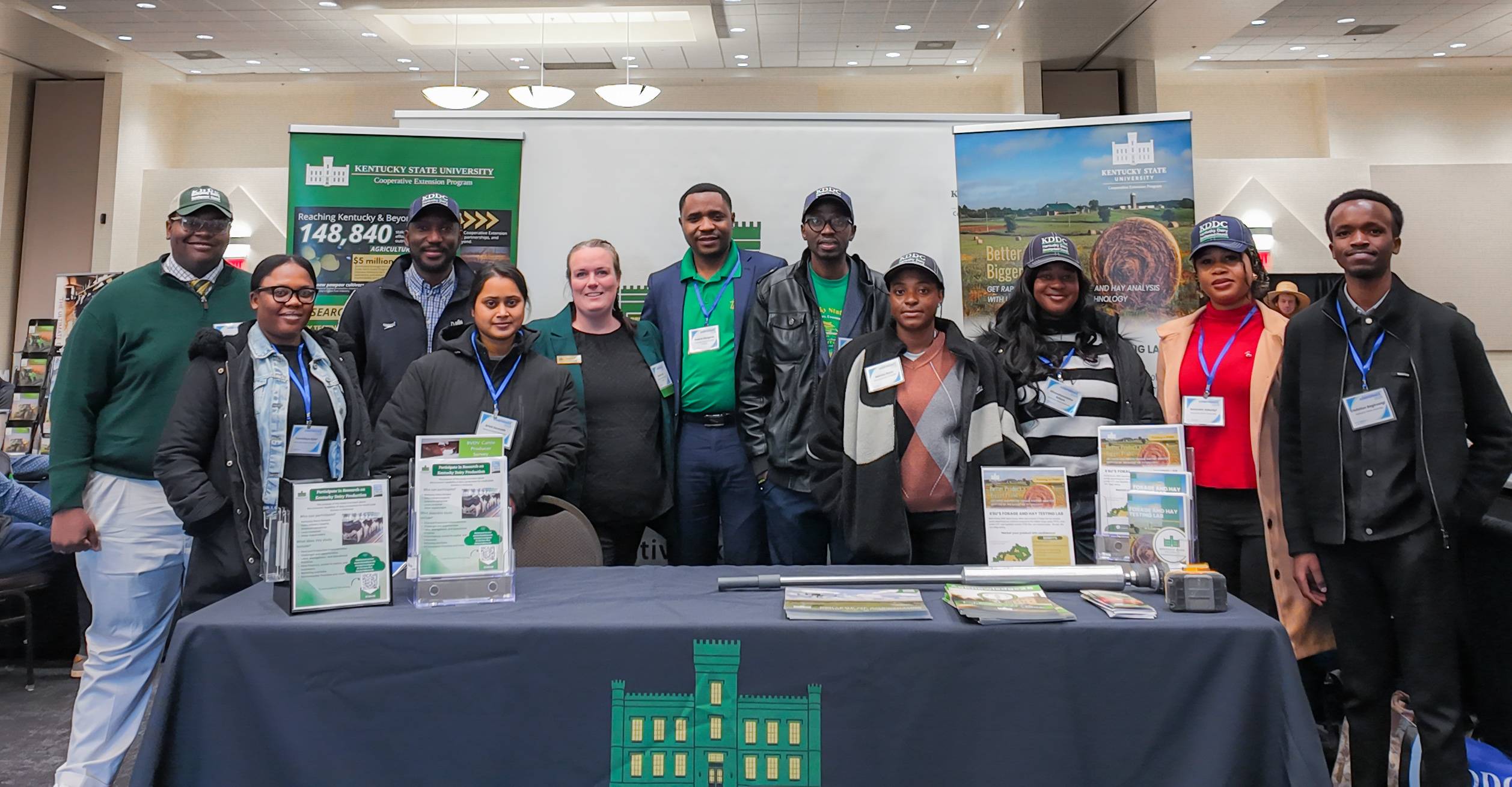
Kentucky State’s delegation was led by Dr. Sarah Carr, assistant professor of animal
science, and included Dr. Niyigena Valens, assistant professor of livestock nutrition,
and Dr. Sait Sarr, senior research scientist, all in the College of Agriculture, Health,
and Natural Resources. Those attending from Kentucky State also included graduate
students Martha Ibans, Maryam Adeniyi, Oluwafunmisho Ibiloro, Olufemi Oyewo, Bristi
Devenath, Funmilayo Ajayi, and Christian Bagiruwigi, along with undergraduate Rodricuse
Jackson II.
Conference sessions focused on many of the issues affecting the dairy sector, including
risk management, producer funding programs, forage and silage decisions, milk quality,
farm-to-school connections, mastitis, and biosecurity. For those studying animal science,
livestock nutrition, and related fields, the discussions reflected the kinds of decisions
producers make every day.
 “These experiences are critical for our students’ career development,” Dr. Carr said.
“In addition to learning more about the industry and current best practices, they
are able to build networks, find internships, and ultimately connect with job opportunities
in the field.”
“These experiences are critical for our students’ career development,” Dr. Carr said.
“In addition to learning more about the industry and current best practices, they
are able to build networks, find internships, and ultimately connect with job opportunities
in the field.”
For Jackson, a junior in the agriculture, food, and environment program majoring in
nutritional science and food systems, the conference also created space for relationship-building
and professional connections.
“It was a great opportunity and a lifetime experience,” Jackson said. “I made valuable,
authentic connections and came away with a stronger understanding of the dairy industry
in Kentucky. It was an honor to attend and represent Kentucky State University.”
For Martha Ibans, a graduate student in the School of Agriculture and Natural Resources
whose research focuses on the economic feasibility of the dairy industry in Kentucky,
the experience helped connect academic research with the people and operations behind
it.
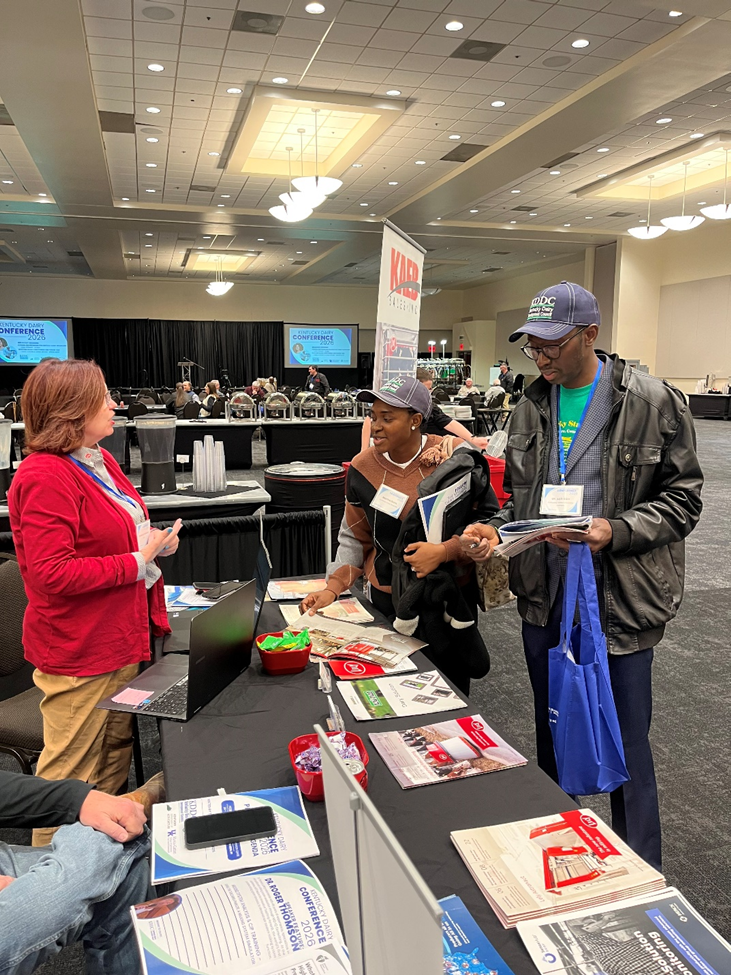 “This meeting was a real-world experience,” Ibans said. “Directly engaging with Kentucky
dairy producers and other stakeholders, along with seeing a robotic milker for the
first time, showed me how technology is reshaping the dairy industry. I also had the
opportunity to discuss my research with policymakers and other stakeholders.”
“This meeting was a real-world experience,” Ibans said. “Directly engaging with Kentucky
dairy producers and other stakeholders, along with seeing a robotic milker for the
first time, showed me how technology is reshaping the dairy industry. I also had the
opportunity to discuss my research with policymakers and other stakeholders.”
Dr. Sarr said opportunities like the Kentucky Dairy Conference are especially valuable
because they place students in direct conversation with producers, agencies, and industry
leaders while reinforcing the practical side of Kentucky State’s land-grant mission.
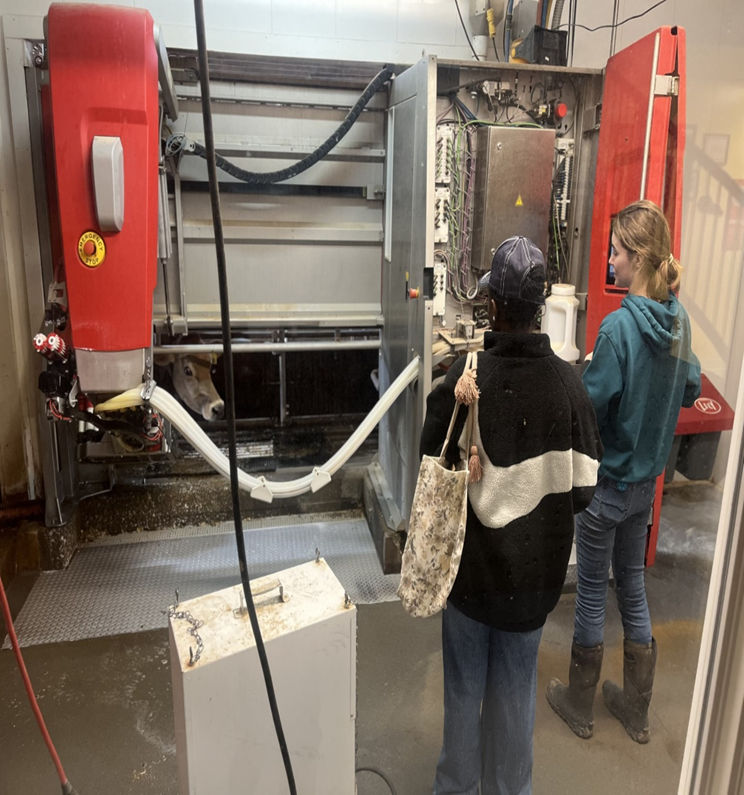
That exposure continued beyond the main conference program. Some in the group toured
the Western Kentucky University Dairy Barn and Chaney’s Dairy Barn and Creamery in
Bowling Green, where they saw robotic milking technology up close.
Other organizations represented at the meeting included The Dairy Alliance, the University
of Kentucky, the Kentucky Center for Agricultural Development, the Kentucky Department
of Agriculture, the U.S. Department of Agriculture, technology firms, and business
investors.