New videos connect parasite management, student learning, and sustainable land-grant
outreach
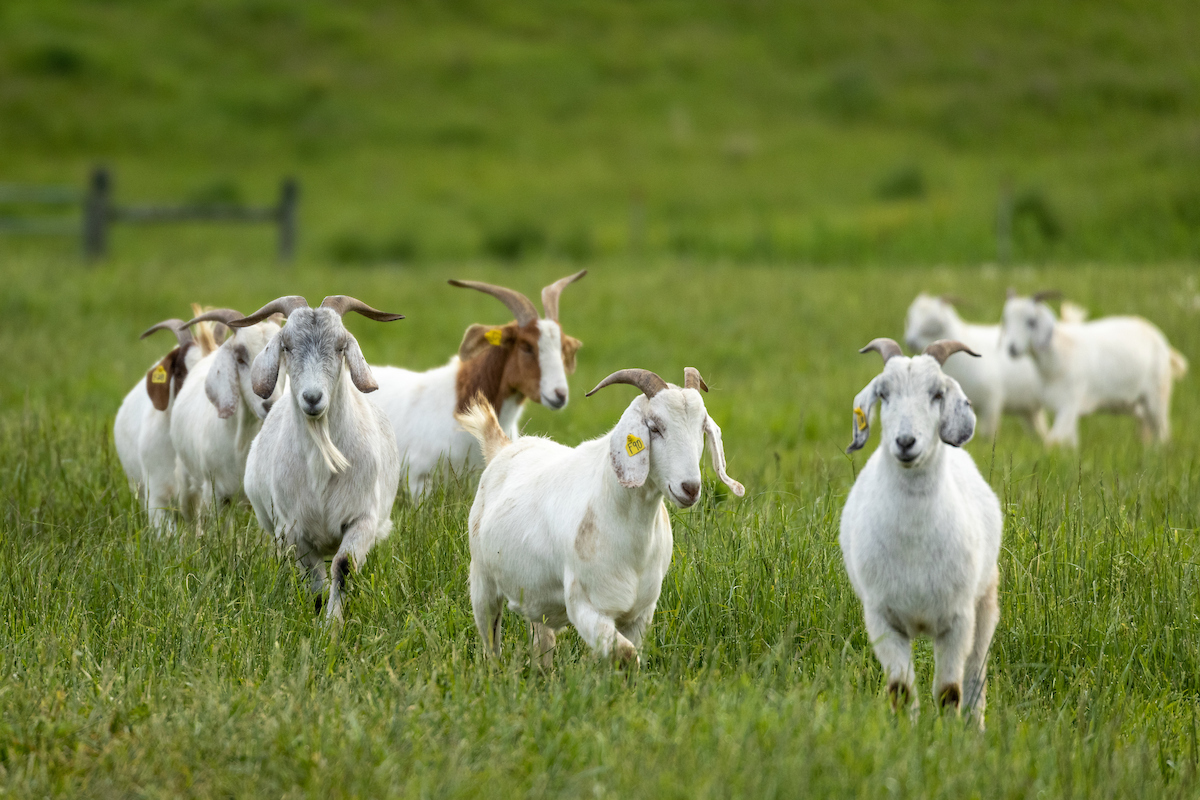
FRANKFORT, Ky. — A goat can be more than livestock.
Across Kentucky, goats support family farms, contribute to local food systems, help
manage pasture and understory vegetation, and create hands-on learning opportunities
for the next generation of agricultural leaders.
During Goat Month in Kentucky, Kentucky State University is highlighting work that
connects producer education, student engagement, and practical Extension support for
one of the Commonwealth’s important small-ruminant industries.
Kentucky Department of Agriculture data show 3,524 Kentucky farmers have goats as
part of their livestock operations, with the industry contributing more than $3.6
million to agricultural receipts. Kentucky also ranks sixth nationally for meat goat
inventory.
For Kentucky State, those numbers underscore the importance of practical, research-based
support for producers.
 Kentucky State is building on that work through a new educational video series titled
“Bluegrass Small Ruminant Solutions,” developed by Dr. Valens Niyigena, assistant
professor of livestock nutrition. The series began in March with videos on winter
goat management and hoof trimming, giving sheep and goat producers timely guidance
they can apply directly on the farm.
Kentucky State is building on that work through a new educational video series titled
“Bluegrass Small Ruminant Solutions,” developed by Dr. Valens Niyigena, assistant
professor of livestock nutrition. The series began in March with videos on winter
goat management and hoof trimming, giving sheep and goat producers timely guidance
they can apply directly on the farm.
“Our goal is to bridge the gap between research and the farm gate,” Dr. Niyigena said.
The newest videos focus on parasite management, a timely subject as temperatures rise
and late spring conditions increase the need for close herd monitoring. The three
newly completed videos cover FAMACHA scoring in small ruminants, fecal sampling, and
fecal egg counts.
Together, the videos help producers identify anemia associated primarily with Haemonchus
contortus, safely collect fecal samples, use microscopes to identify parasite eggs,
calculate eggs per gram, and make more informed deworming decisions.
That guidance is especially important because parasite control remains one of the
key management concerns for goat and sheep producers. By focusing on FAMACHA scoring,
fecal sampling, and fecal egg counts, the series gives producers tools to make data-informed
decisions that can support animal health while helping manage drug resistance.
Dr. Tyrell Kahan, associate Extension administrator for the Cooperative Extension
Program, said Goat Month provides a timely opportunity to show how Kentucky State’s
goat programming reaches producers, students, and the broader community.
“Goat Month gives us a chance to highlight the full scope of this work, from producer
education and animal health to hands-on training, student learning, and outreach to
the public,” Dr. Kahan said. “Our goal is to make sure the information we develop
through Extension is practical, accessible, and useful to the people who can put it
to work.”
 The work reflects Kentucky State’s land-grant mission by connecting Extension education,
applied research, and student learning. Through new recordings and hands-on demonstrations,
students help prepare and present information for producers while gaining experience
in animal science, communication, and practical problem-solving.
The work reflects Kentucky State’s land-grant mission by connecting Extension education,
applied research, and student learning. Through new recordings and hands-on demonstrations,
students help prepare and present information for producers while gaining experience
in animal science, communication, and practical problem-solving.
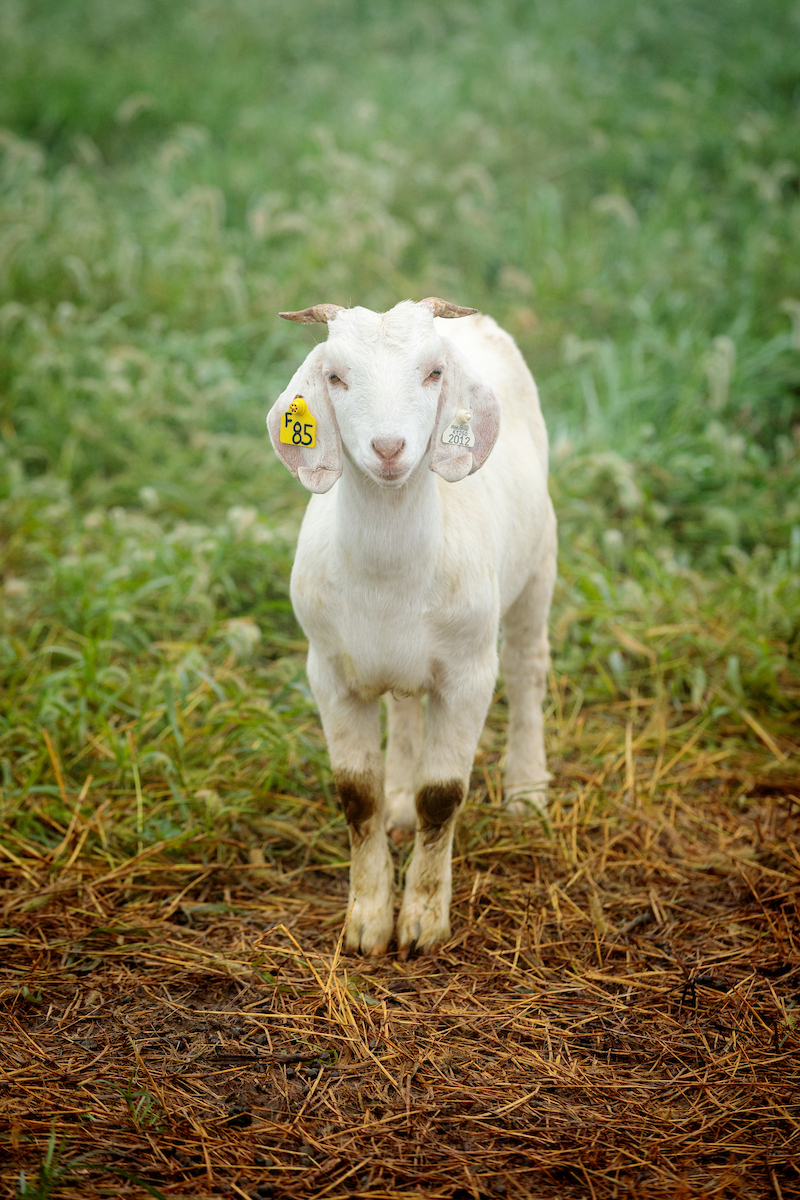
At the Harold R. Benson Research & Demonstration Farm, Kentucky State manages nearly
100 goats as part of its small-ruminant programming. That work supports teaching,
research, Extension demonstrations, and producer education tied to animal health,
nutrition, and sustainable management.
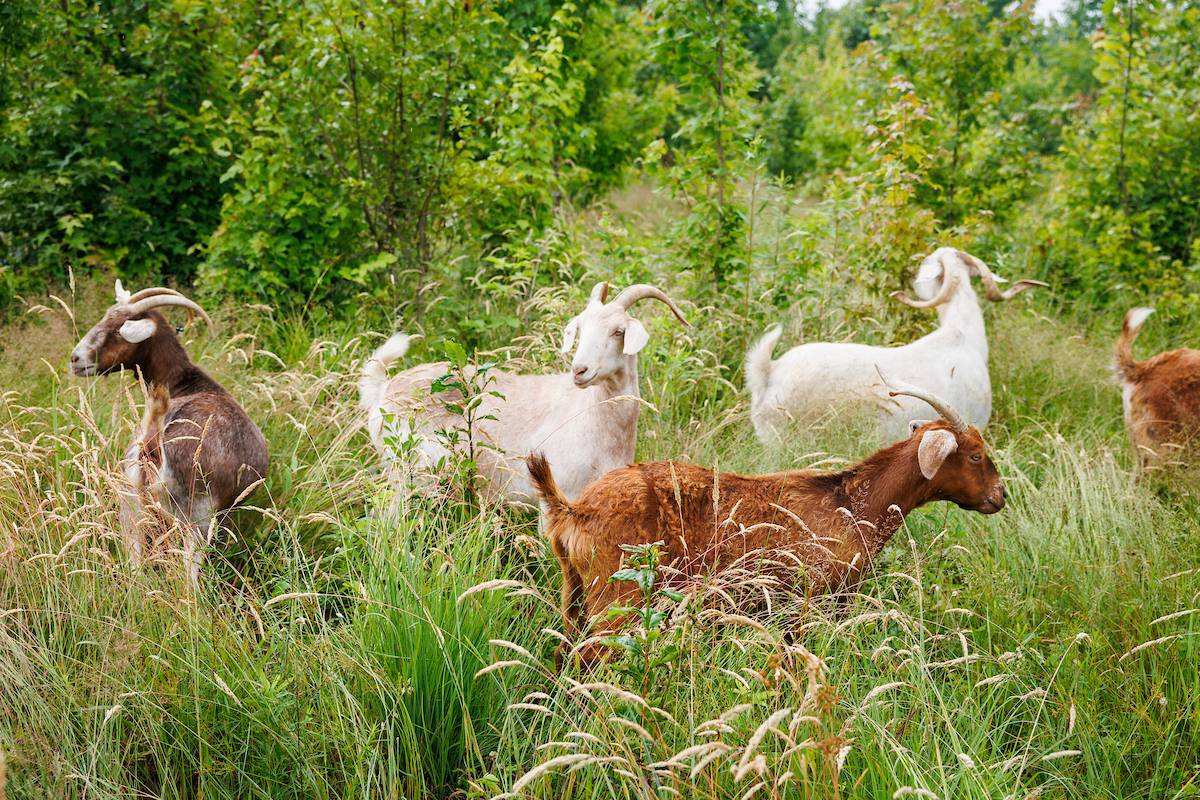
Goat Month offers a chance to show the versatility of goats beyond meat, dairy, and
fiber production. Kentucky State personnel have used goats in Frankfort to demonstrate
their role in controlling understory vegetation, an environmentally friendly approach
that can support land management while reducing reliance on more intensive clearing
methods.
That broader connection between animal agriculture and sustainability is central to
the University’s small-ruminant work. Goats can help producers diversify operations,
manage vegetation, strengthen food systems, and create new educational opportunities
for students and communities.
Bluegrass Small Ruminant Solutions is designed to continue throughout the year, with
videos aligned to seasonal production needs and emerging issues. Future topics are
expected to include breeding and reproductive management, animal health and welfare,
nutrition strategies, forage and pasture management, farm business planning, and sustainable
production practices.
The Goat Month observance reinforces a central purpose of Kentucky State’s Extension
work: giving producers practical information when it can make the greatest difference.
For more information about Bluegrass Small Ruminant Solutions and upcoming releases,
contact Dr. Niyigena at valens.niyigena@kysu.edu.
Related videos:
FAMACHA Scoring in Goats & Sheep | Targeted Deworming Guide for Parasite Management
How to Collect Fecal Samples in Goats | Step-by-Step for Accurate Results
How to Do a Fecal Egg Count | Parasite Testing in Goats & Sheep | Improve Deworming
Decisions