Research farms, forests, and aquatic facilities extend learning beyond the classroom
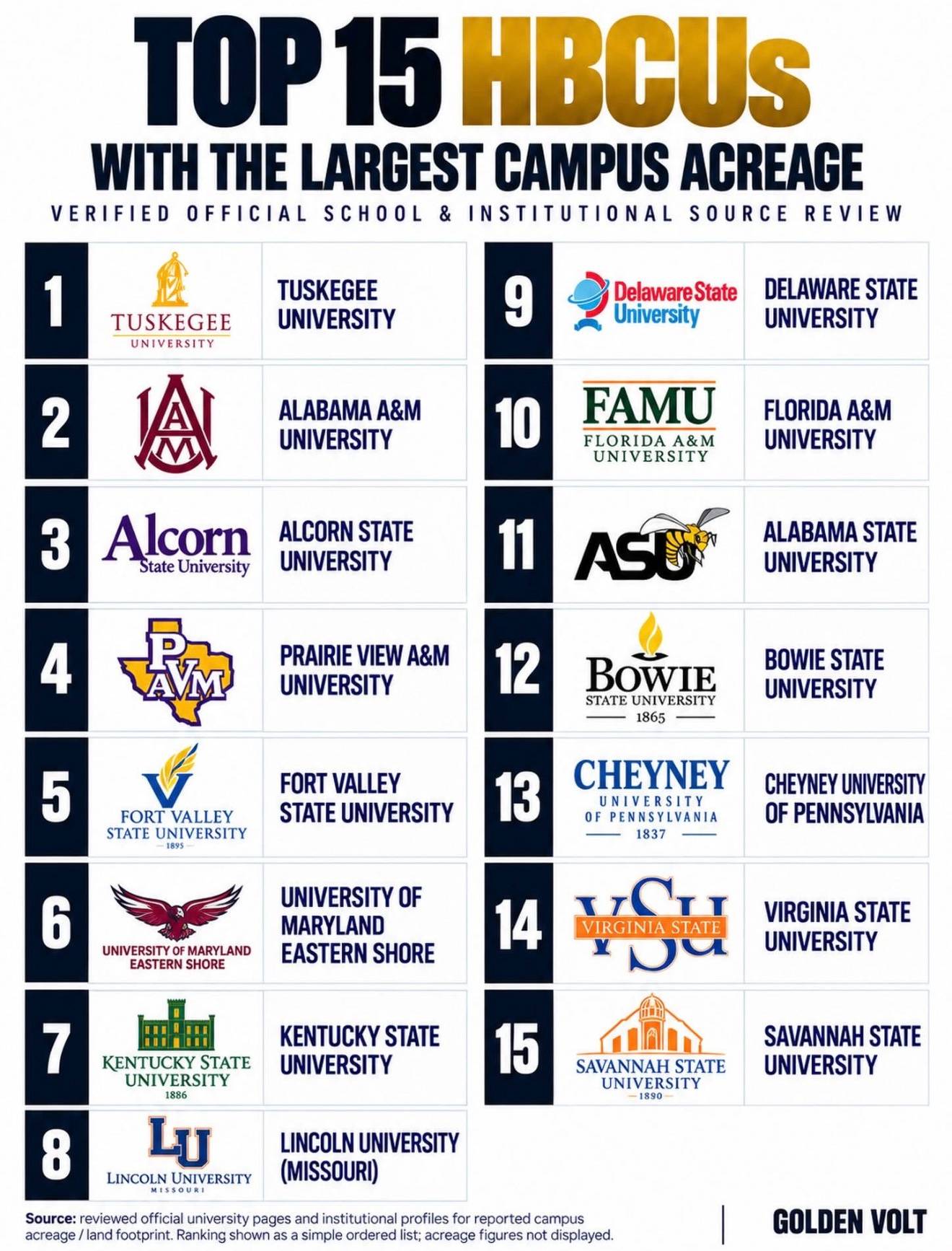
FRANKFORT, Ky. — Kentucky State University ranks No. 7 on Golden Volt’s recent list
of the 15 historically Black colleges and universities with the largest campus acreage,
highlighting the land that supports its teaching, research, and community service.
Golden Volt, a digital media brand focused on HBCUs and Black culture, says its ranking
draws on official university pages and institutional profiles reporting campus acreage
and land footprint. Tuskegee University tops the list, followed by Alabama A&M University
and Alcorn State University.
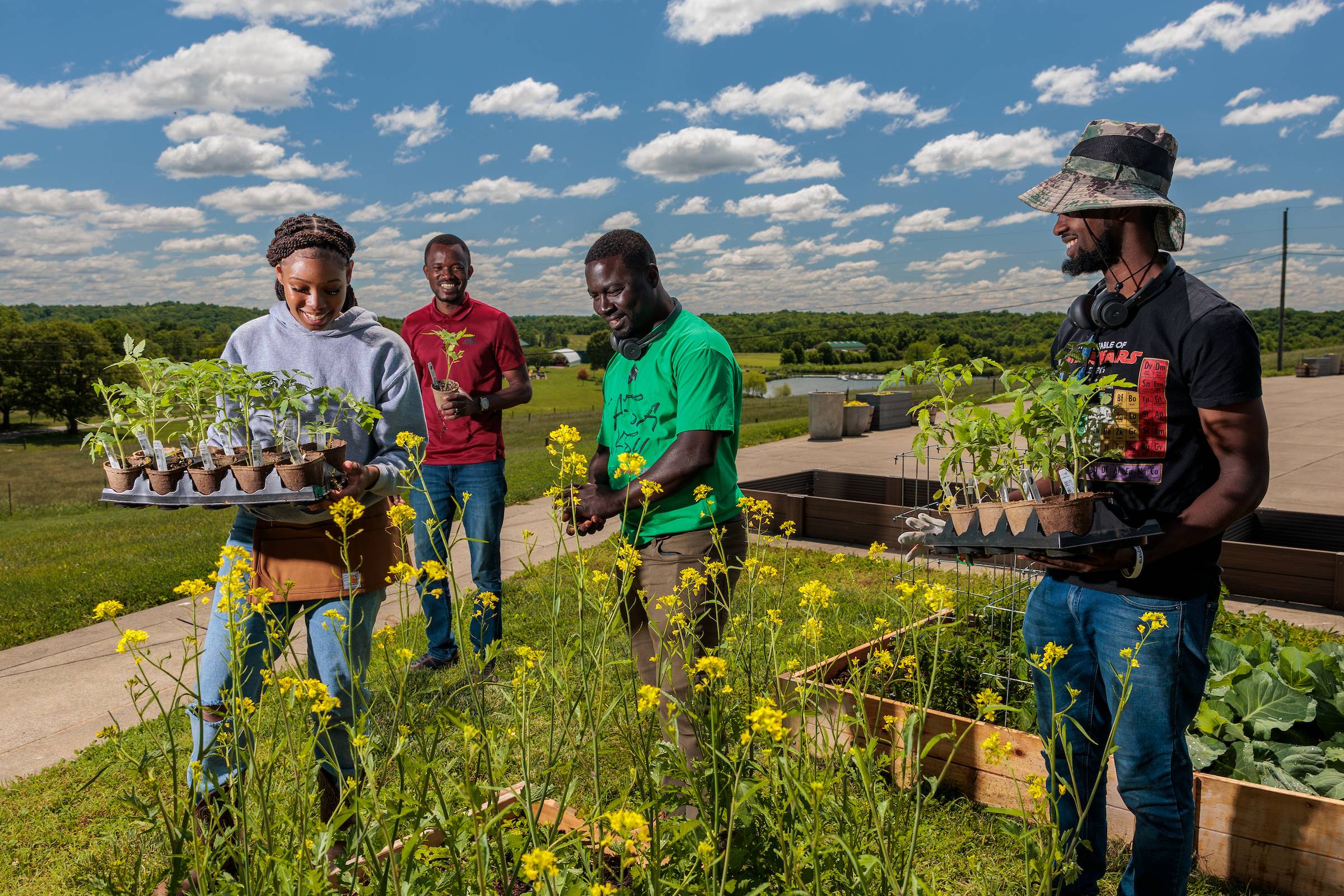
At Kentucky State, that footprint extends learning beyond classrooms into research
fields, forests, and aquatic facilities where students work alongside faculty and
see how their studies apply to food production, natural resources, and community needs.
“The value of these places comes from what people can do there,” said Dr. Marcus Bernard,
dean of the College of Agriculture, Health, and Natural Resources and director of
Land Grant Programs. “Students can work alongside researchers, farmers can see practices
demonstrated in the field, and young people can discover interests that lead them
toward college and careers. Our land gives us room to bring education, research, and
service together.”
The nearly 300-acre Harold R. Benson Research and Demonstration Farm supports research and Extension education in areas including horticulture, soil management,
livestock, and pawpaw production. Students visit the farm to sample soils, study insects,
and see research in practice. Farmers and school groups also visit for educational
programs and tours.
Field learning continues at the 308-acre Environmental Education and Research Center in Henry County. Its forests, pond, and 6.5 miles of walking trails provide opportunities
for environmental education, research, and instruction in subjects including forestry,
biology, and aquatic sciences. The center serves University students and schoolchildren
from across Kentucky.
At the Aquatic Research Center, 33 research ponds, a hatchery, and specialized laboratories support aquaculture
research and instruction. Indoor systems allow students and researchers to study aquatic
species and production methods year-round, connecting scientific investigation with
the practical challenges of raising aquatic foods.
Together, these sites support Kentucky State’s mission as Kentucky’s only public HBCU
and an 1890 land-grant institution. The acreage provides opportunities to prepare
students, improve agricultural practices, protect natural resources, and share research-based
knowledge with farmers, families, and communities.