Urban growers build skills and confidence in organic food production
Urban growers build skills and confidence in organic food production
Kelly Rawalt, Local Food Systems Coordinator
July 25, 2026
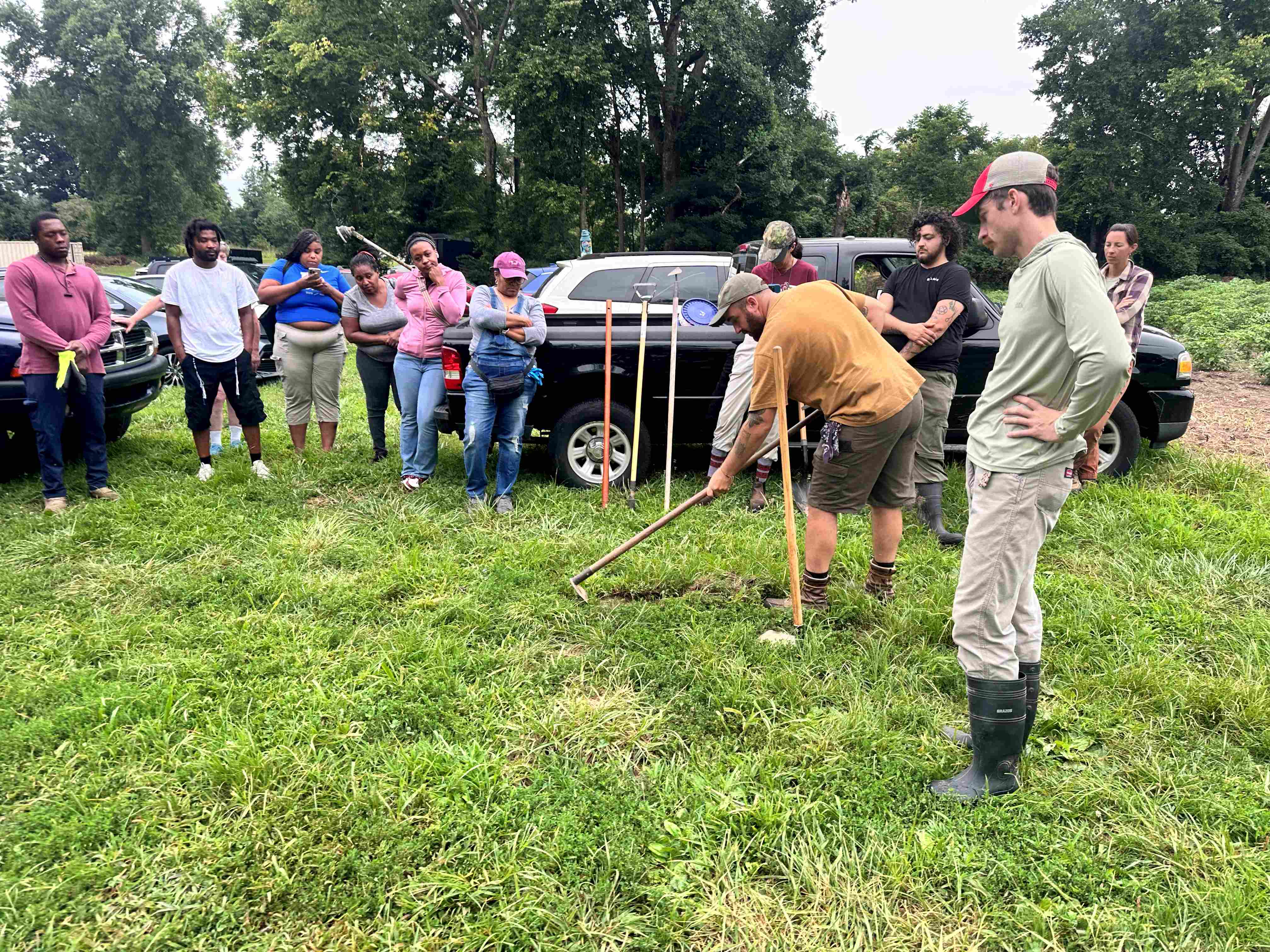
Interest in growing fresh, local food is increasing across Kentucky, but many beginning and small-scale growers lack access to practical training on organic production methods. To help address this need, Kentucky State University's Urban Growers Program in Louisville offered a three-part Organic Agriculture series in July 2026 designed to help participants understand and apply research-based organic growing practices. The series combined virtual instruction with a hands-on field day and covered soil health, composting, crop rotation, cover crops, pest management, certification requirements, and weed management strategies.
Twenty-eight participants completed one or more sessions in the series, including urban growers, community gardeners, aspiring farmers, and individuals interested in producing more of their own food. Throughout the program, participants explored how healthy soils, ecological pest management, and intentional crop planning can reduce inputs, improve productivity, and create more sustainable growing systems.
Program evaluations showed substantial growth in participants' knowledge and confidence. Following the second training, 23 of 28 respondents reported an increase in their understanding of how to apply organic production practices. By the conclusion of the field day, every participant reported increased understanding of organic growing practices, with 19 of 21 reporting their knowledge had increased significantly since the beginning of the series. Participants consistently identified soil health, composting, cover crops, crop rotation, and natural pest management as the most valuable topics.
More importantly, participants left with plans to take action. Across the series, growers reported intentions to adopt or strengthen practices such as composting, soil testing, crop rotation, cover cropping, mulching, mechanical weed control, and biological pest management. Several participants also reported beginning new organic practices as a result of the program.
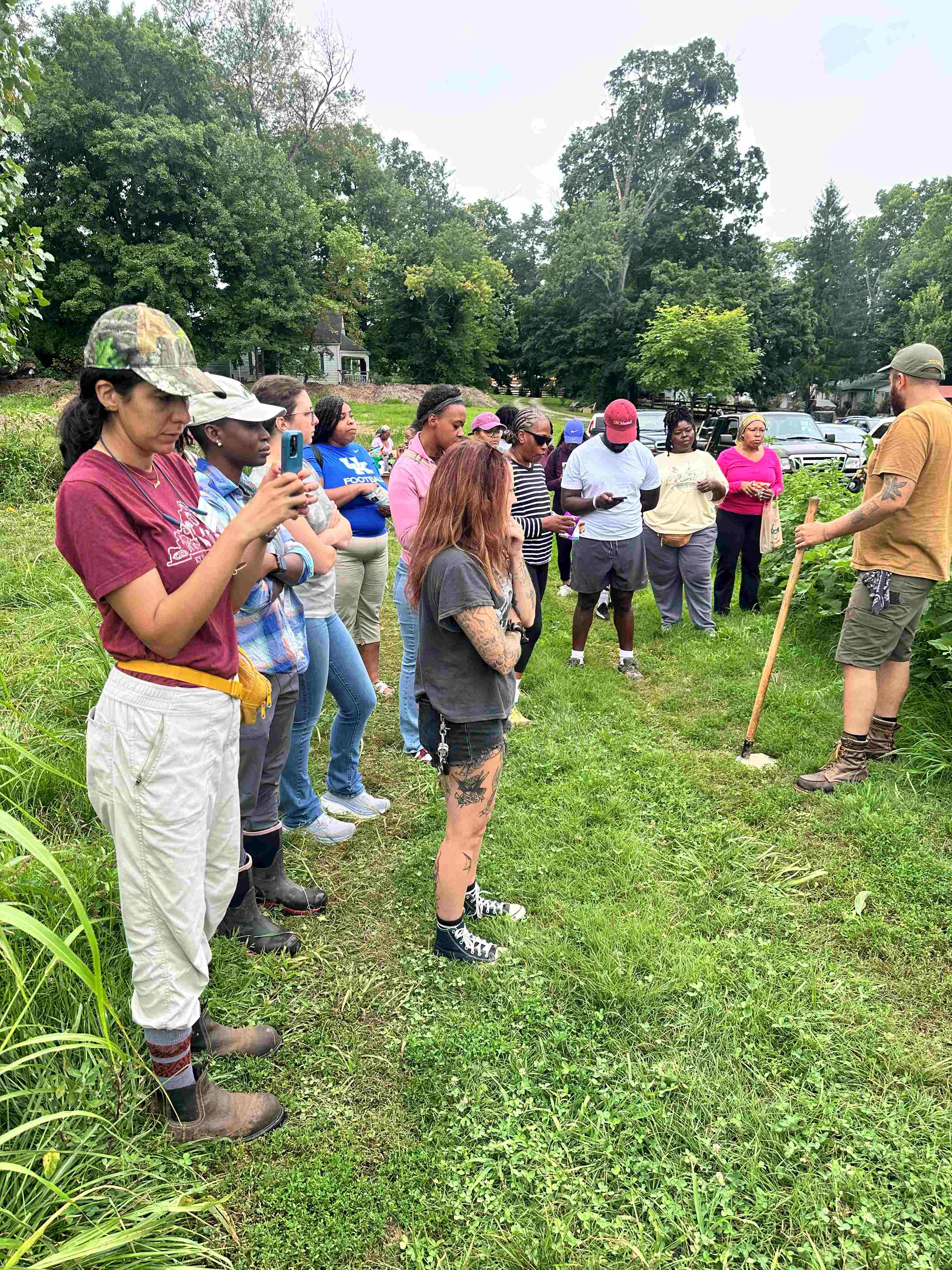
Participant comments reflected meaningful shifts in both knowledge and behavior. One grower noted, “I learned how important healthy soil is to the entire growing process. I’m planning to pay more attention to building soil health through composting and other practices that improve soil rather than just focusing on the plants themselves.” Another participant reported, “Cover crops! I've never done before but feel much more confident now.” After the field day, participants described plans to implement companion planting, use mulch and cover crops for weed suppression, conduct soil testing, and strengthen pest management practices using non-chemical approaches.
The hands-on field experience proved especially impactful. Participants highlighted the value of seeing practices demonstrated in real-world settings and learning directly from experienced growers. One participant shared, “Getting hands-on and visual examples has helped my understanding of growing the proper way,” while another wrote, “This program has made me realize how much I really didn’t know. I started my garden using what I’ve learned, and I would refer this program to everyone I know.”
By helping participants build practical skills and confidence, the Organic Agriculture series supported Kentucky State University's mission to expand access to sustainable agriculture education, strengthen community-based food production, and promote the adoption of research-based growing practices. As participants begin implementing what they learned, the program is helping cultivate healthier soils, more resilient growing systems, and stronger local food networks throughout Kentucky.