Urban growers gain confidence in advanced growing technologies
Urban growers gain confidence in advanced growing technologies
Kelly Rawalt, Local Food Systems Coordinator
August 29, 2026
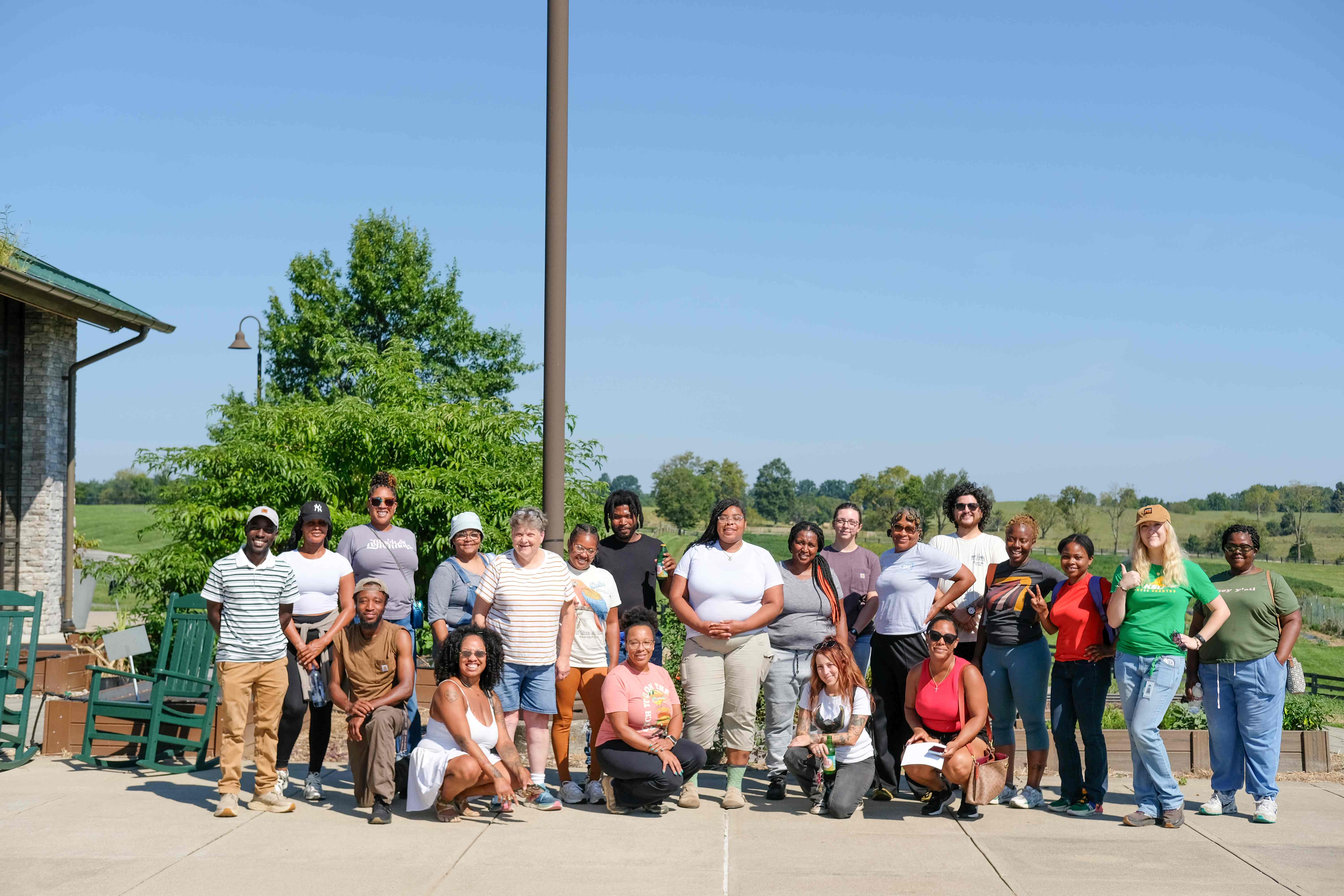
As interest in local food production continues to grow, many urban growers face challenges that can limit productivity, including short growing seasons, extreme weather, limited space, and inconsistent growing conditions. Controlled Environment Agriculture (CEA) offers innovative solutions that allow growers to extend production, improve efficiency, and increase yields through technologies such as greenhouses, high tunnels, hydroponics, and indoor growing systems. To help address these challenges, Kentucky State University's Urban Growers Program in Louisville delivered a three-part Controlled Environment Agriculture series during August 2026, combining virtual instruction with hands-on field experiences to introduce participants to modern food production technologies.
The series began with an introduction led by Arnold Katende, KSU Horticulture Extension Associate, to Controlled Environment Agriculture systems, including high tunnels, greenhouses, vertical growing systems, environmental controls, lighting, and season-extension strategies.
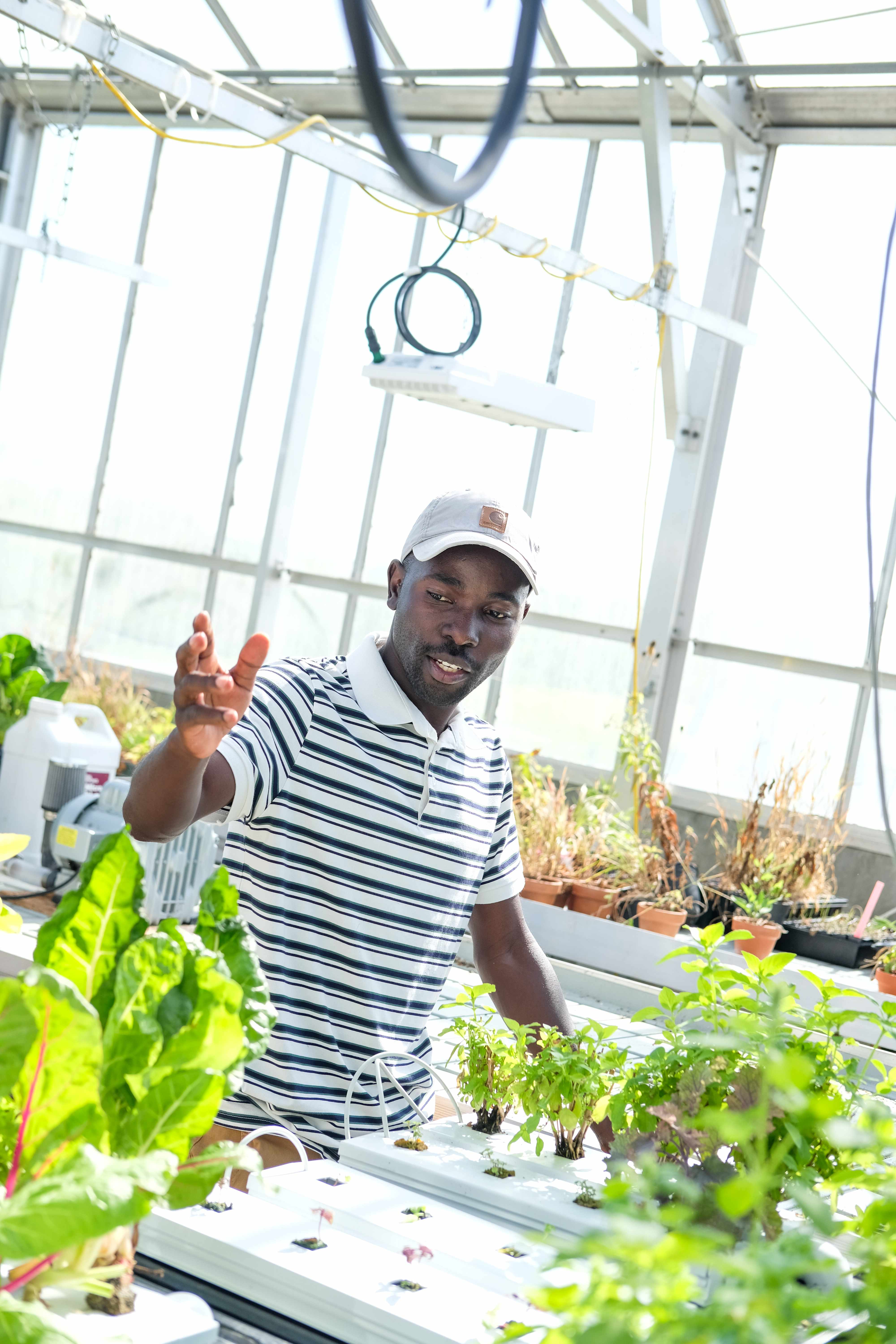
A second virtual session led by Cora Teets, KSU Research & Extension Associate, focused
on hydroponic production, covering nutrient management, water quality, pH and electrical
conductivity monitoring, lighting systems, and construction of small-scale hydroponic
systems.
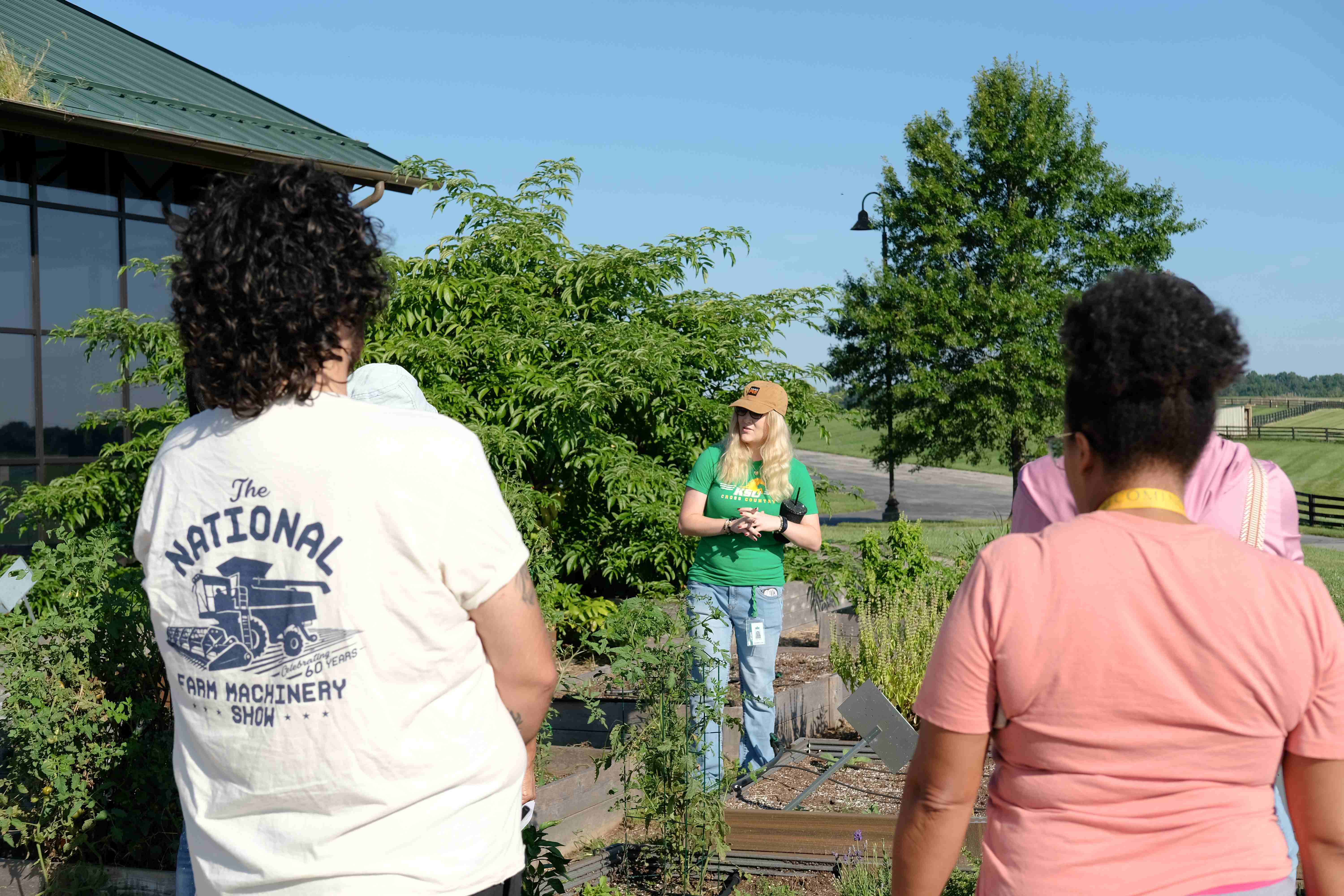
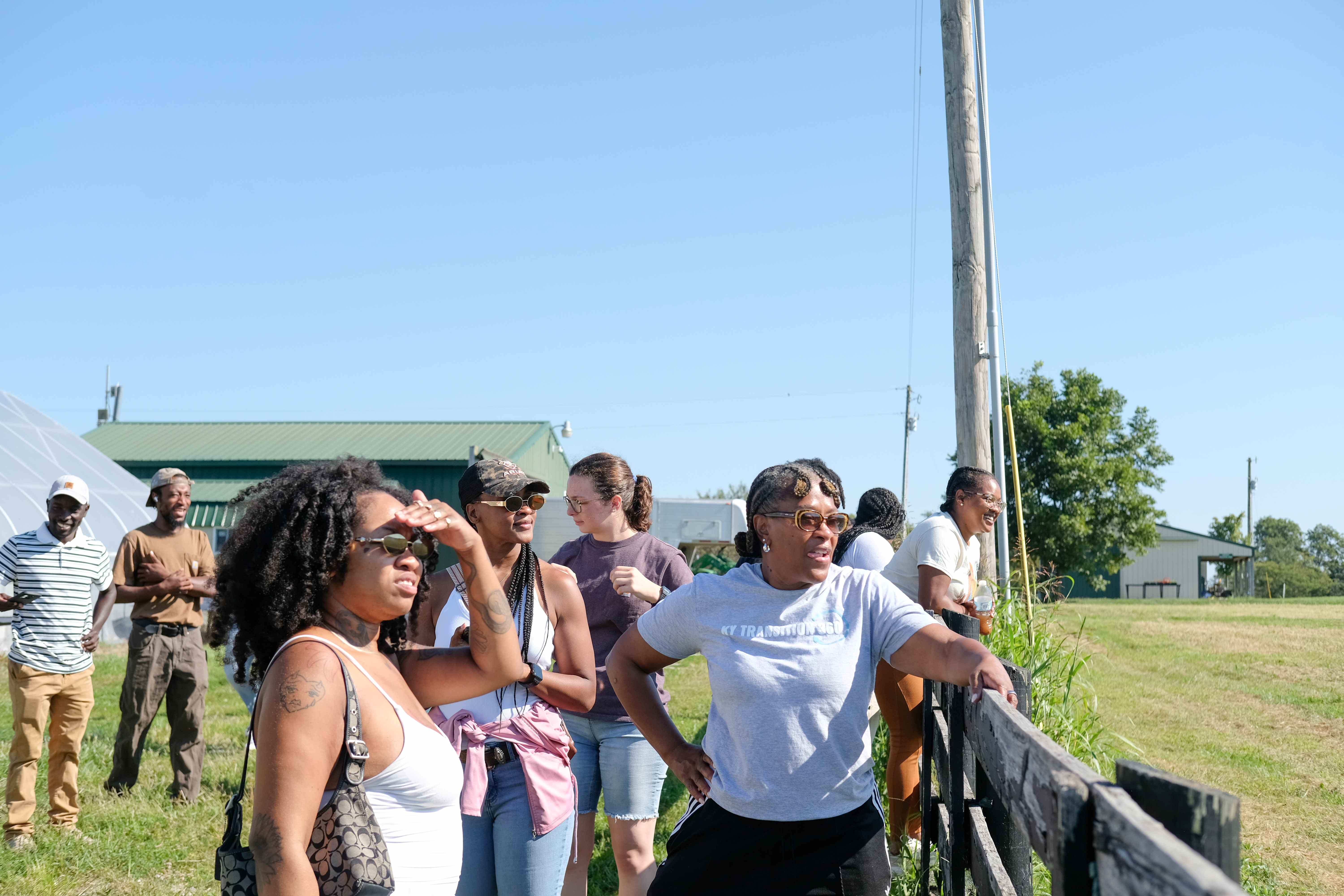
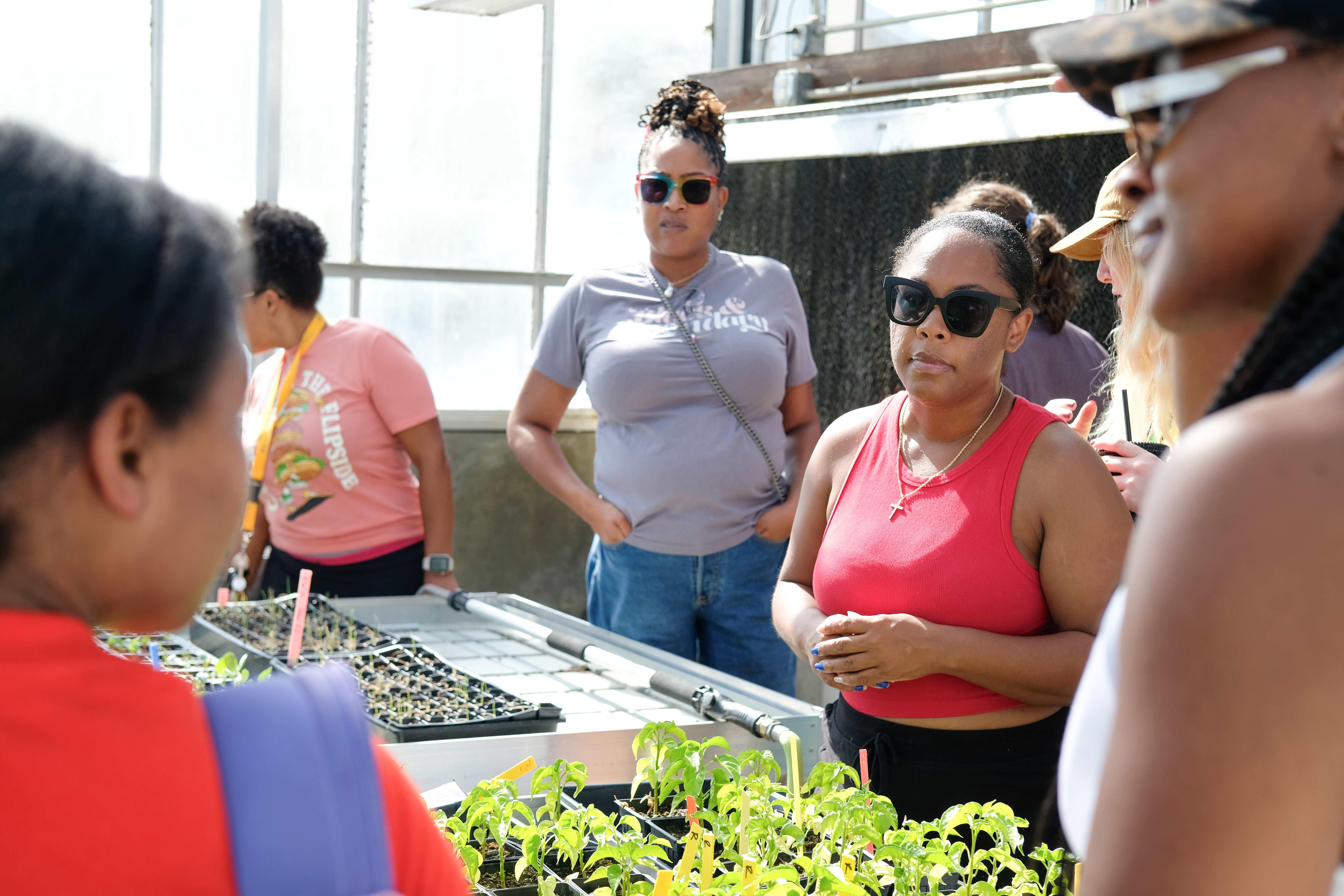
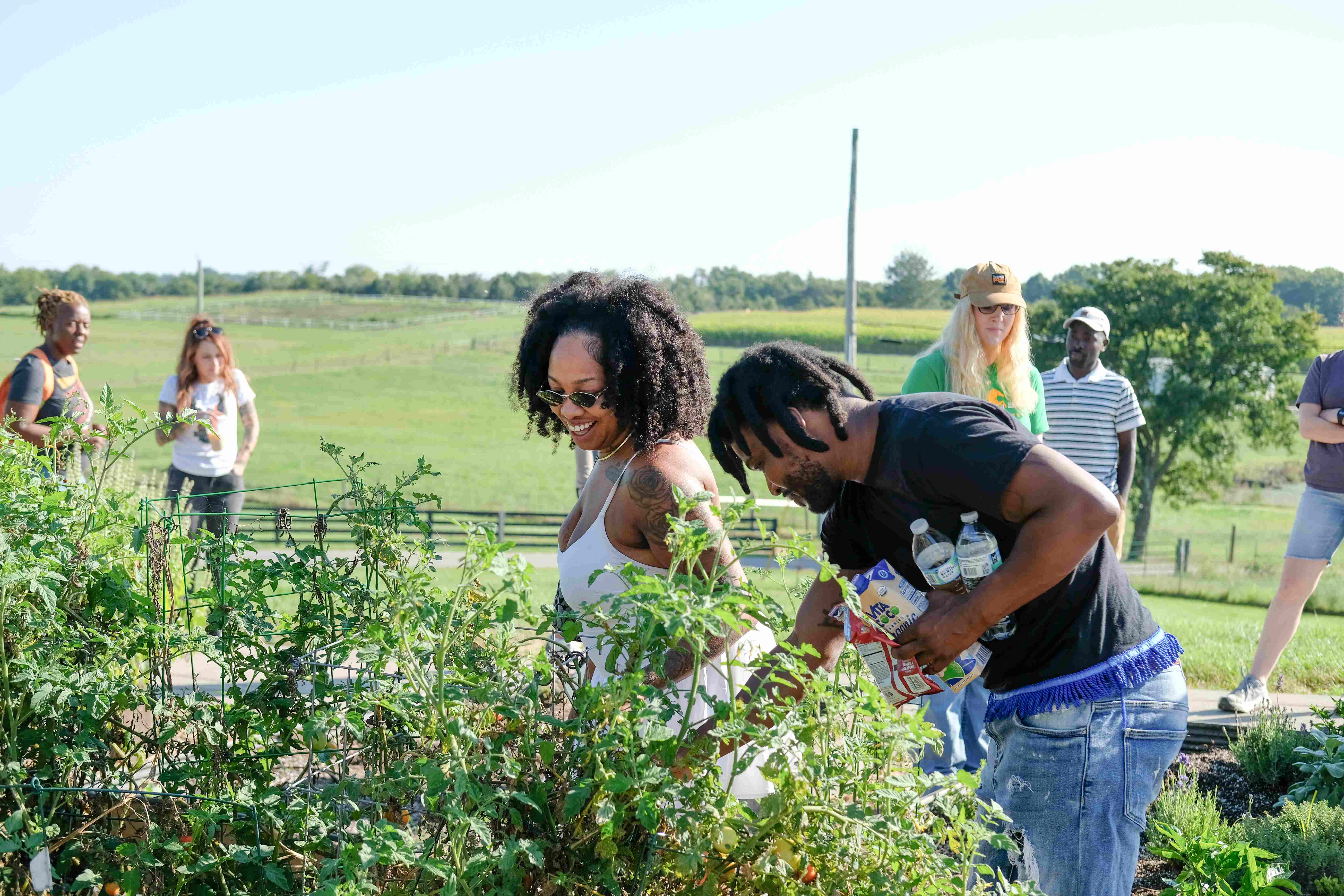
The series concluded with a field day at the Harold R. Benson Research and Demonstration Farm, where participants toured urban agriculture production sites, high tunnels, greenhouses, irrigation systems, and a Freight Farm hydroponic shipping container.
Twenty-four participants completed one or more sessions in the CEA series, representing urban growers, gardeners, aspiring farmers, and individuals interested in producing food in limited-space environments. Program evaluations demonstrated strong knowledge gains and growing confidence in the use of controlled environment technologies. During the first session, 13 participants reported plans to begin using CEA technologies, while others expressed interest in exploring greenhouse production, season extension structures, and environmental monitoring systems. Participants frequently cited greenhouses, high tunnels, and vertical growing systems as technologies they hoped to incorporate into their growing spaces.
As participants moved deeper into the series, their interest shifted from awareness
to implementation. Twenty participants reported increased understanding of hydroponic
growing systems and management practices following the hydroponics session. Six participants
reported that they were already using hydroponic growing methods as a result of the
program, while nine additional participants planned to begin using hydroponic systems.
Participants described plans to build small-scale hydroponic units, use LED lighting
to extend production, improve nutrient management, and monitor pH and water
quality more effectively.
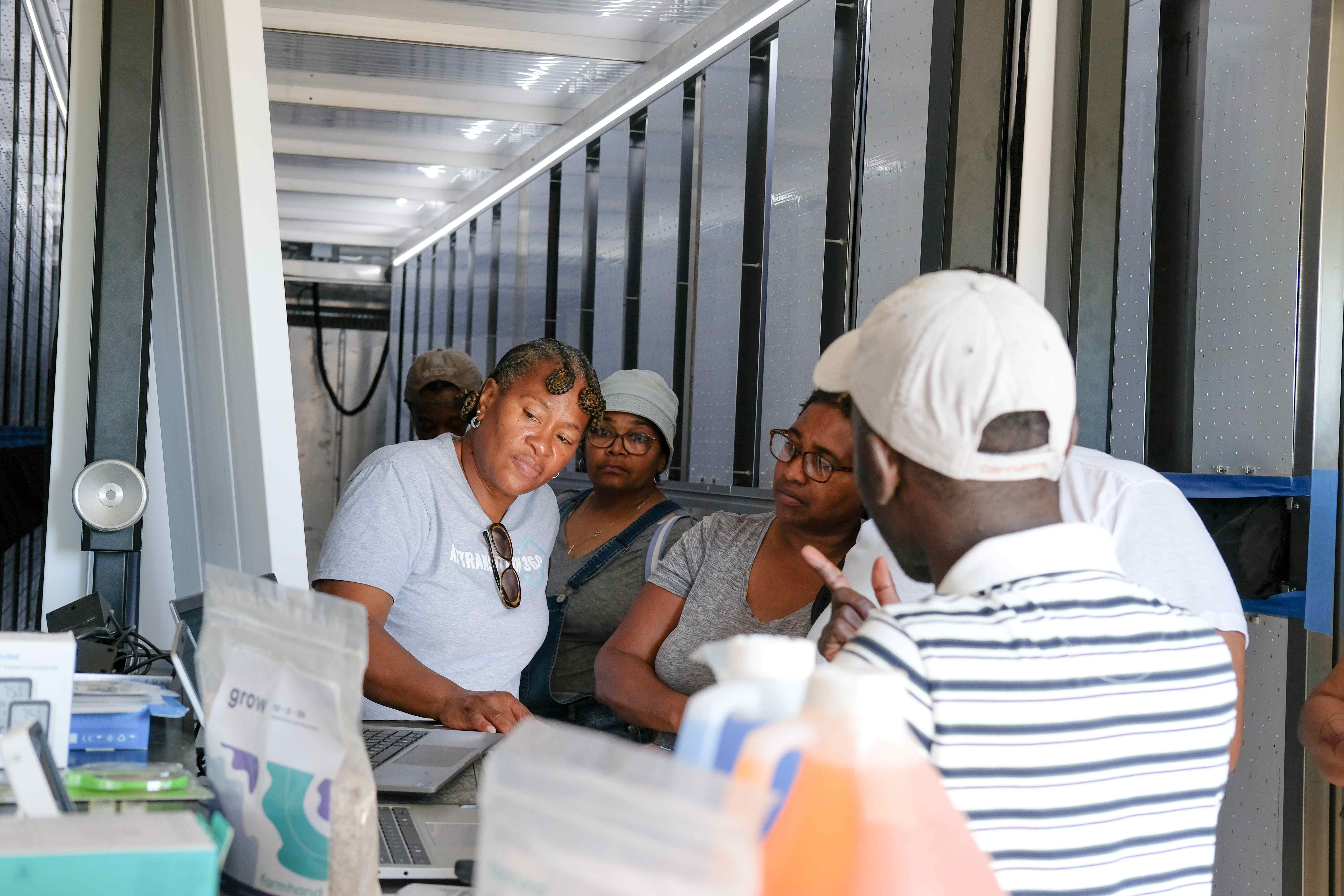
The field day provided participants with an opportunity to see technologies operating in real-world production settings and connect classroom concepts to practical application. Eighteen participants reported increased understanding of Controlled Environment Agriculture systems and urban growing practices by the conclusion of the series, and twelve indicated plans to begin using CEA technologies in their own growing operations. Participants identified plans to install high tunnels, implement drip irrigation systems, develop hydroponic systems, expand indoor growing operations, and improve water and nutrient management practices.
Participant feedback reflected increased confidence and enthusiasm for adopting new technologies. One participant shared, “I didn’t realize that high tunnels or hoop houses were so easy to construct. I definitely plan on trying tunneling.” Another reported, “I have used a small AeroGarden system, but now I feel more confident in making my own DIY system.” After the field day, participants highlighted the value of seeing working systems in person, with one noting, “Each week I learn a new technique that I want to implement in my growing.”
By combining research-based education with hands-on demonstrations, the Controlled Environment Agriculture series helped participants move beyond traditional growing methods and explore innovative approaches to local food production. The program increased participants’ knowledge of protected agriculture systems, strengthened confidence in evaluating and adopting CEA technologies, and encouraged the use of practices that can support year-round production, resource conservation, and stronger local food systems. Through these efforts, Kentucky State University continues to expand access to agricultural innovation and equip urban growers with the skills needed to increase food production opportunities in their communities.