Urban growers explore aquaponics and aquaculture
Urban growers explore aquaponics and aquaculture
Kelly Rawalt, Local Food Systems Coordinator
July 18, 2026
As interest in local food production grows, many urban growers are looking for innovative ways to produce food in limited spaces while conserving resources. To help meet this need, Kentucky State University's Urban Growers Program offered a three-part Aquaponics and Aquaculture series that introduced participants to hydroponics, aquaponics, and aquaculture through virtual trainings and a hands-on field experience at the university's aquaculture facilities. The series covered hydroponic growing methods, water quality management, nutrient cycling, fish production, and the integration of fish and plant systems for sustainable food production.
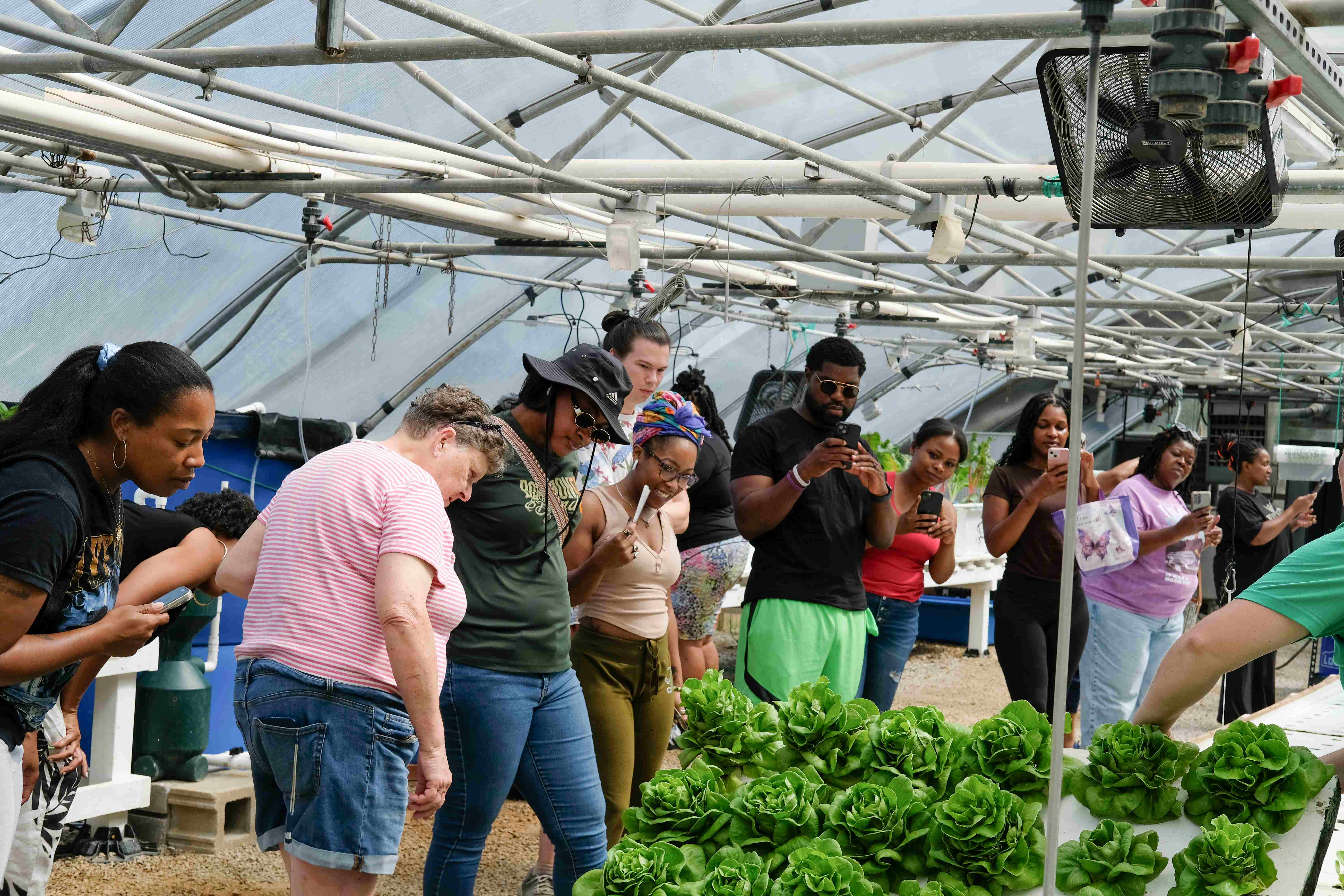
Twenty-six participants took part in the series, and evaluations showed strong gains in knowledge, confidence, and interest in adopting innovative growing methods. Following the hydroponics training, many participants reported that the session made the technology feel more accessible and achievable. One participant shared, “I was not very familiar with hydroponics in general so I learned a lot about how the process works. I think it would be cool to experiment with a small scale now. It seems much more accessible than I previously thought.” Another participant noted, “I was able to learn about the different styles and DIY perspectives to creating a hydroponic system, now knowing it does not need to be ‘fancy’.”
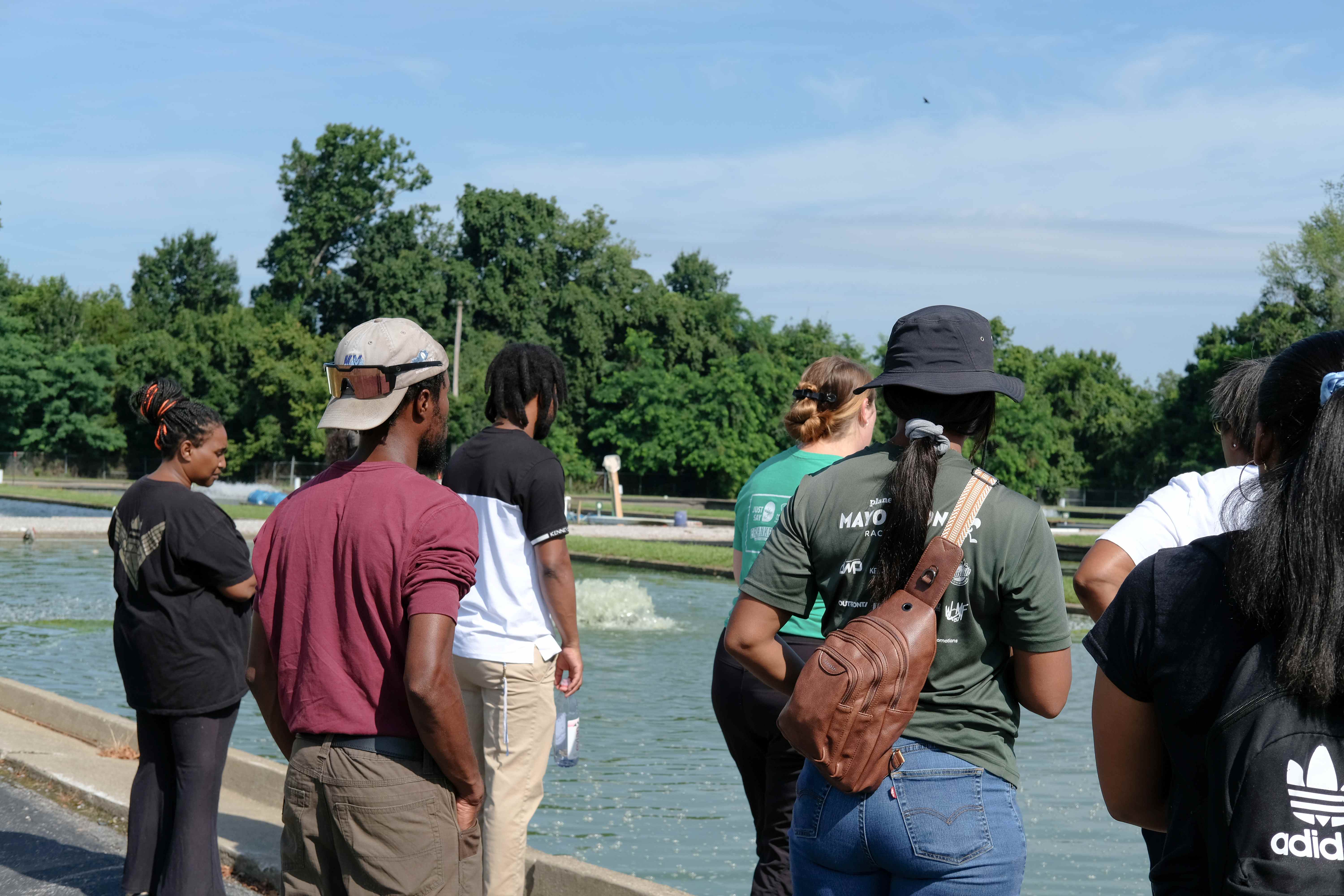
As the series progressed into aquaculture and aquaponics, participants developed a deeper understanding of how fish and plants can work together in integrated production systems. Many reported surprise at the versatility and scale of aquaponics. One participant wrote, “You can do aquaponics on a small scale! I plan to use aquarium water in my garden.” Another explained, “I learned today that fish play a viable role in the flourishing of an aquaculture system. I didn’t know that fish waste plays an important role in providing the nutrients plants need to grow successfully in water.”
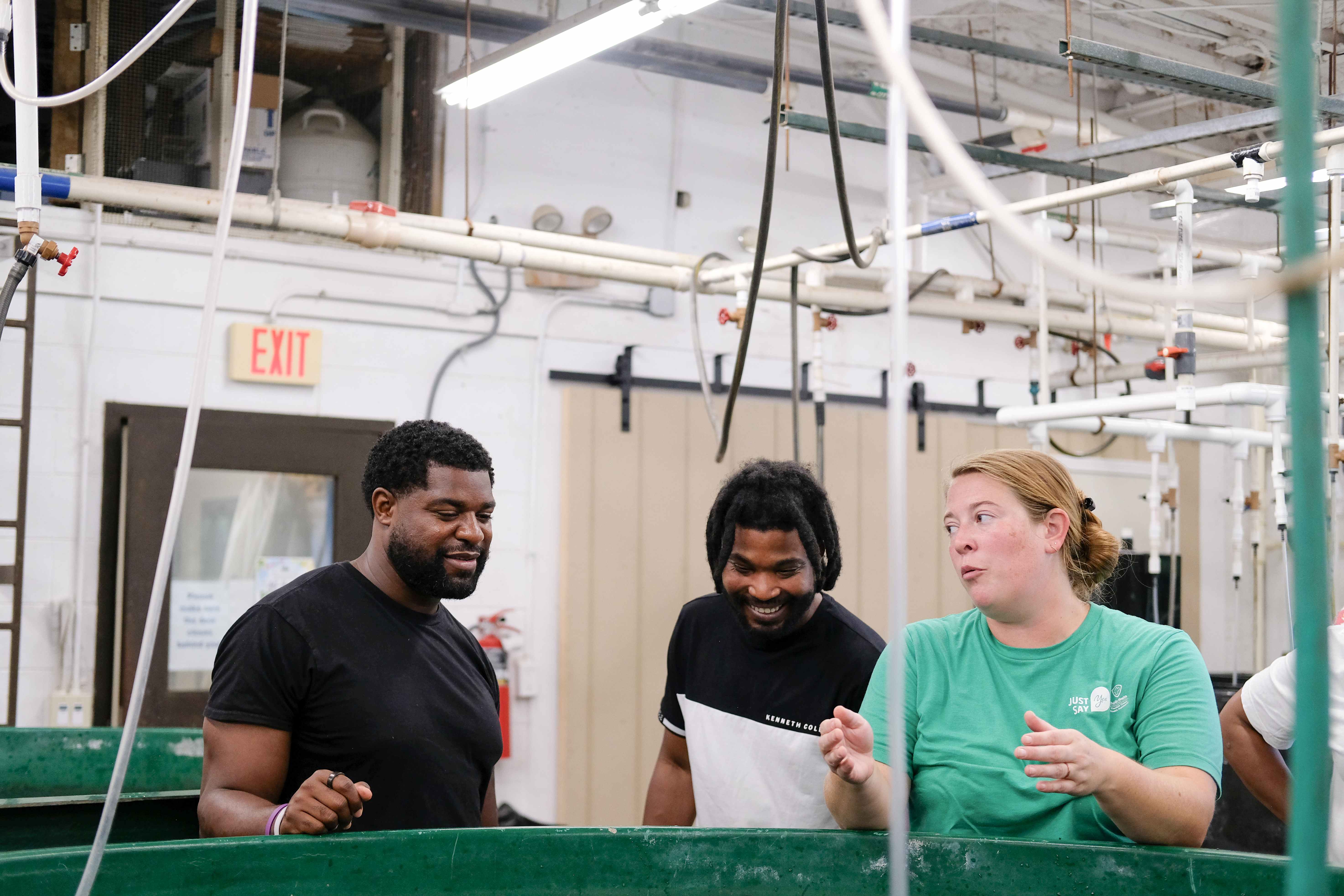
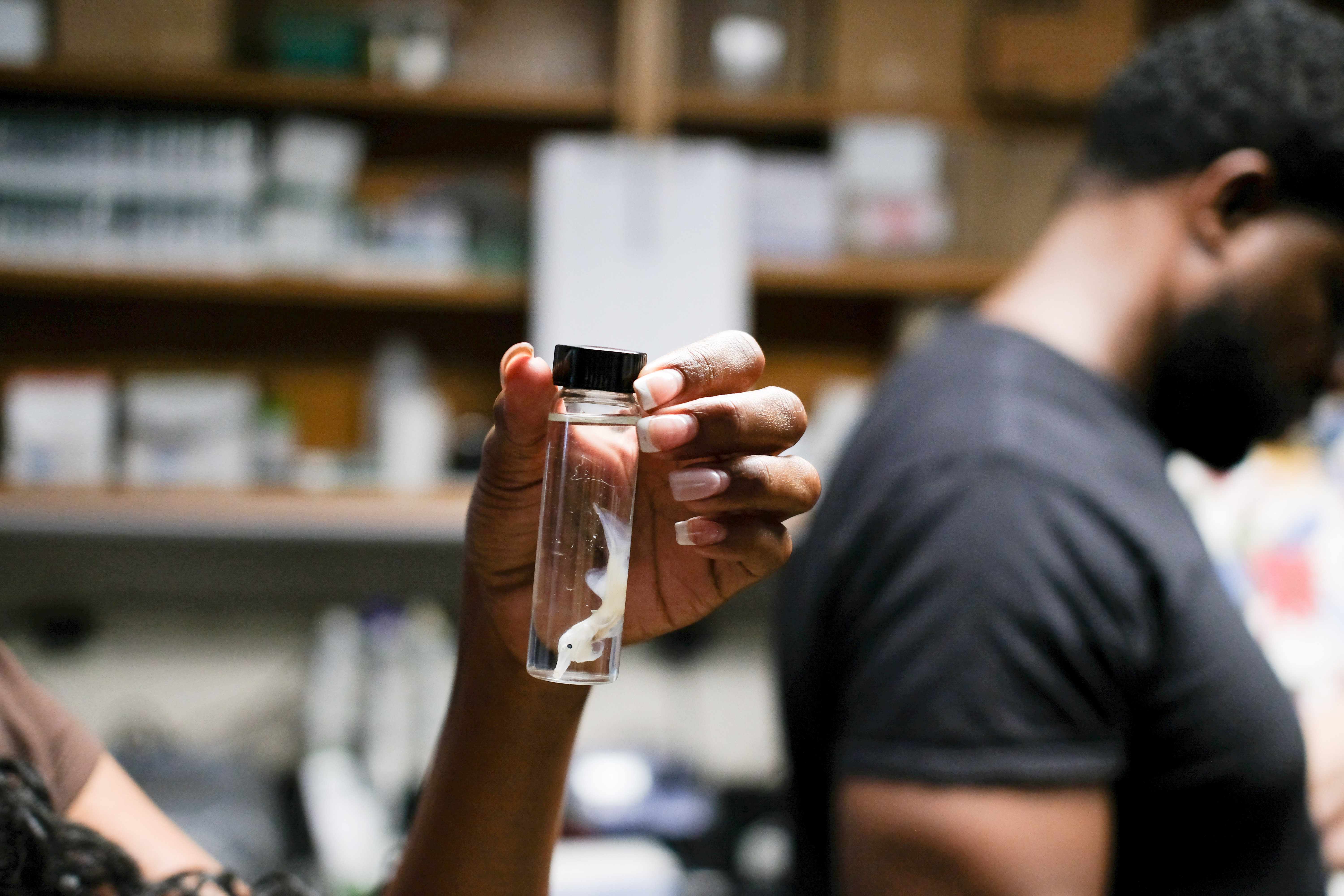
The field day at the Kentucky State University Aquaculture Research Center helped participants connect classroom concepts to real-world applications. Twenty participants reported increased interest in aquaculture, and nearly every participant indicated that touring the facility changed how they think about using aquaculture. One participant reflected, “It’s opened my eyes to food production, growing practices, and all the opportunities that exist.” Another shared, “I enjoyed learning how aquaponics uses fish and plants together in one system to grow healthy food while conserving water. I definitely plan on using aquaponics soon!” That same participant reported, “I have officially started my garden due to this program.”
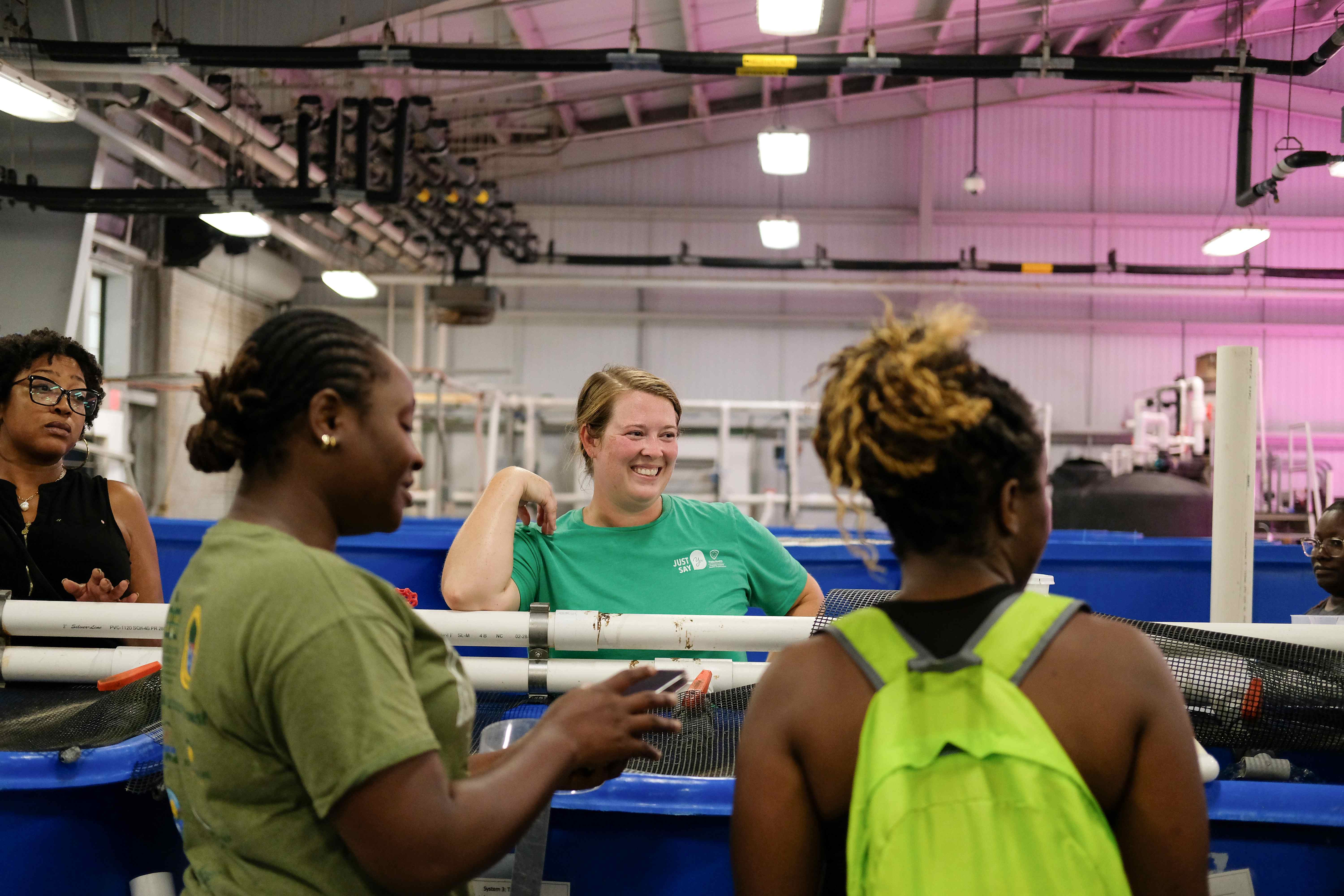
Participants were especially interested in the potential for water conservation, nutrient recycling, controlled growing environments, and producing both fish and vegetables within the same system. Several reported plans to begin aquaponic or aquaculture projects, incorporate fish tank water into garden production, explore hydroponic integration, or develop small-scale systems at home.
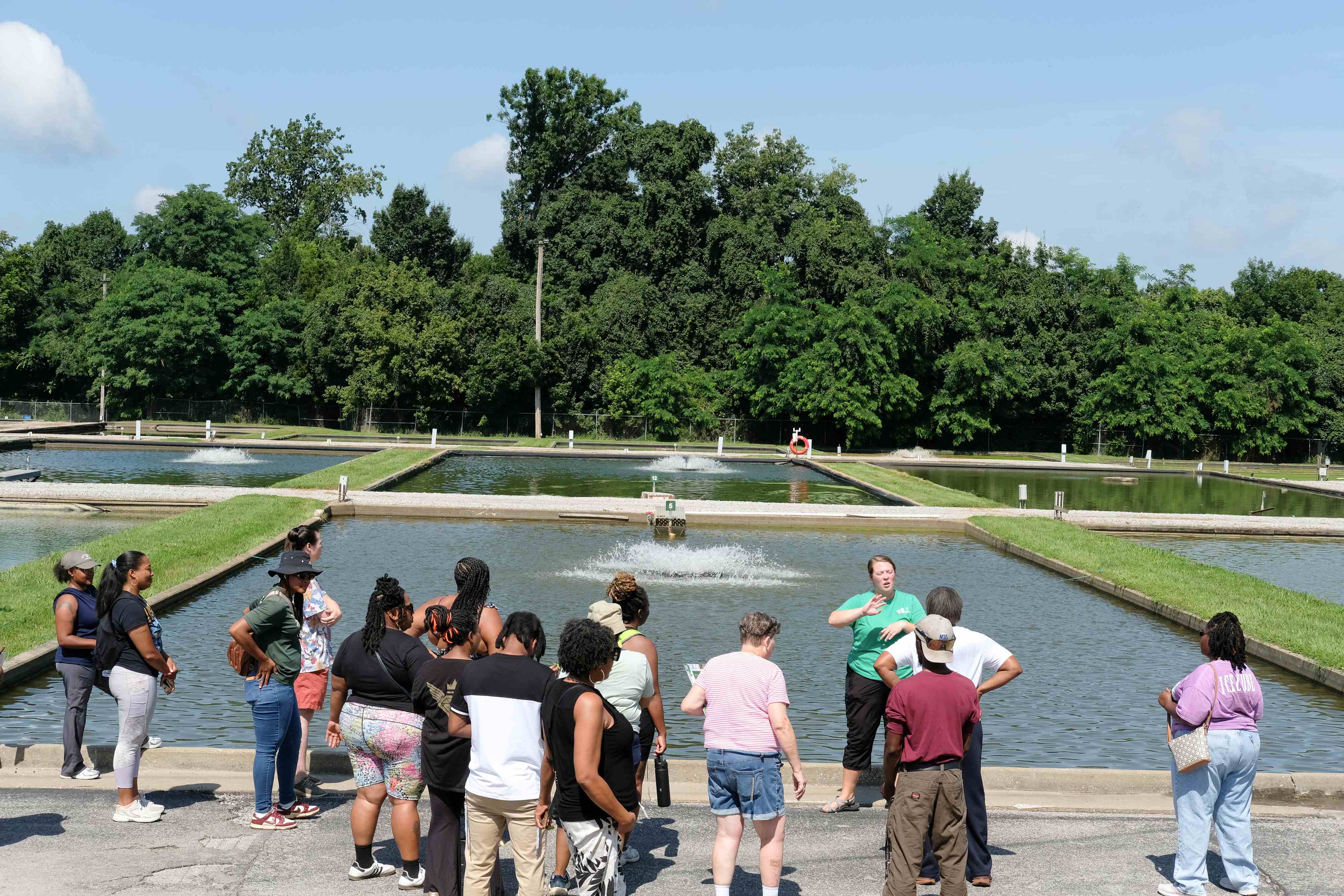
By combining research-based education with hands-on learning, the Aquaponics and Aquaculture series increased participants’ understanding of innovative food production technologies and encouraged exploration of sustainable growing practices. Through programs like this, Kentucky State University continues to expand access to agricultural innovation, strengthen local food systems, and equip urban growers with practical tools for producing food in urban and limited-space environments.